
Dar es Salaam: The Tanzania Ports Authority (TPA) has reduced the Port Infrastructure Development Levy (PID) from nine percent to 4.5 percent of customs duty following concerns from traders and logistics stakeholders over rising import costs. The decision comes even as the authority accelerates a Sh16.1 trillion port expansion programme.
TPA Director of Marketing and Communications, Dr George Fasha, said the revision followed extensive consultations held between October and December 2025 with importers, clearing agents, transporters and other stakeholders. The discussions focused on fears that the original levy would significantly increase the cost of doing business when combined with other charges.
According to Dr Fasha, the new rate seeks to strike a balance between easing the burden on traders and ensuring continued investment in critical port infrastructure. Despite the reduction, the levy will remain a key funding source for the country’s ambitious plan to modernise and expand its port network.
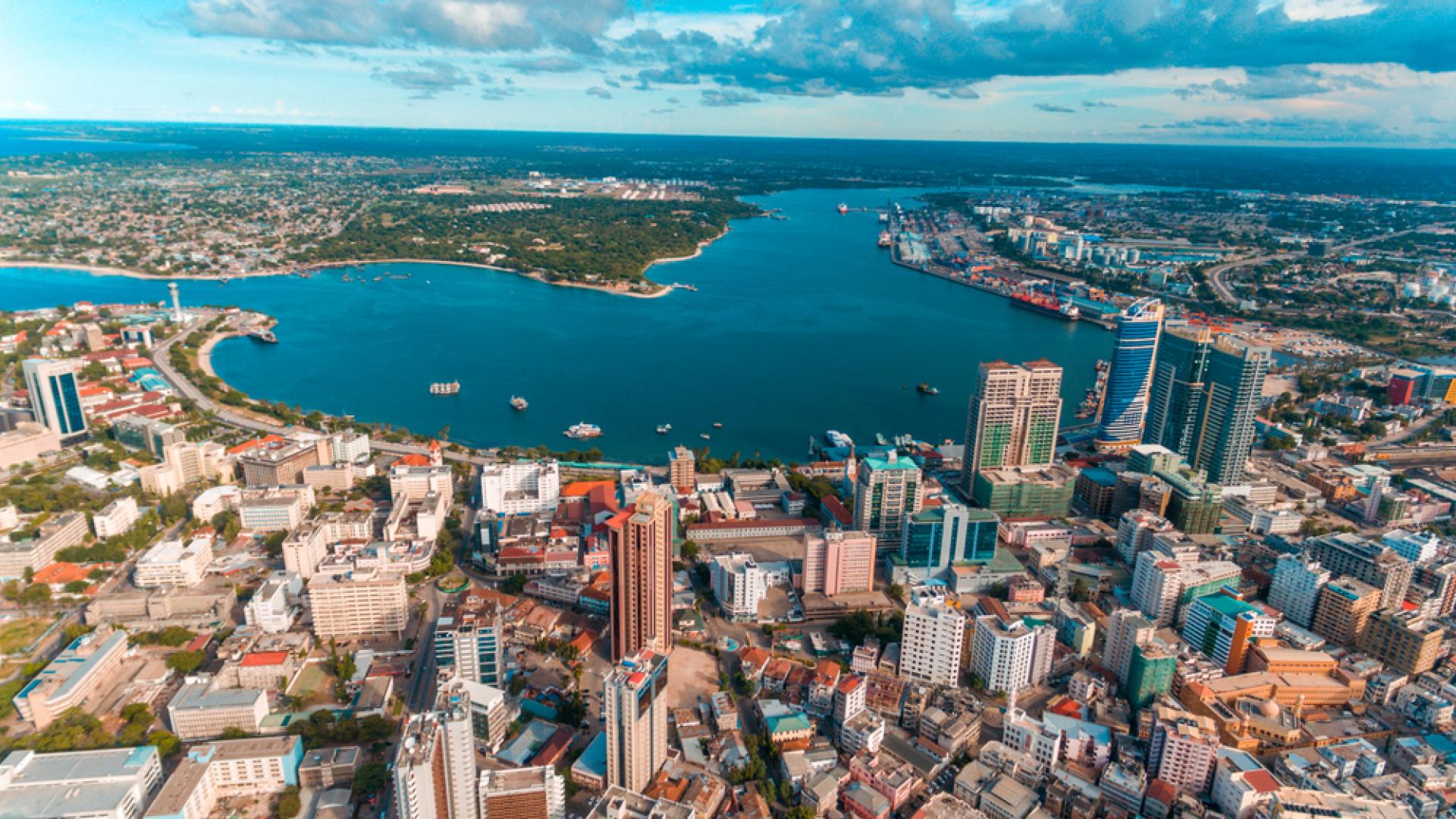
TPA plans to invest Sh16.1 trillion in upgrading facilities across Dar es Salaam, Tanga and Mtwara ports, as well as inland dry ports. Of this, Sh11.2 trillion will be financed internally, while Sh4.9 trillion is expected from private sector participation through Public-Private Partnerships.
The investment push comes amid a sharp rise in cargo volumes, with Tanzania’s ports handling 29.6 million tonnes between July 2025 and March 2026. Container traffic has already surpassed one million TEUs within nine months, highlighting growing regional trade activity but also exposing serious capacity constraints, including vessel delays and increased road congestion.
To address these challenges, TPA is implementing multiple expansion projects, including new berths at Dar es Salaam Port, dry ports in key locations, and new facilities in Tanga and Mtwara. Authorities warn that without timely infrastructure investment, ports could become a major bottleneck as cargo volumes are projected to nearly double to 62 million tonnes by 2030/31.