
In a strong demonstration of visionary leadership, the Tanzanian government is proactively sharpening its economic contingency plans to shield the nation from external shocks caused by the looming Gulf crisis. Recognizing the potential impact of rising global fuel, freight, and input costs, policymakers are moving swiftly to ensure that the nation’s economic stability remains robust despite global volatility.
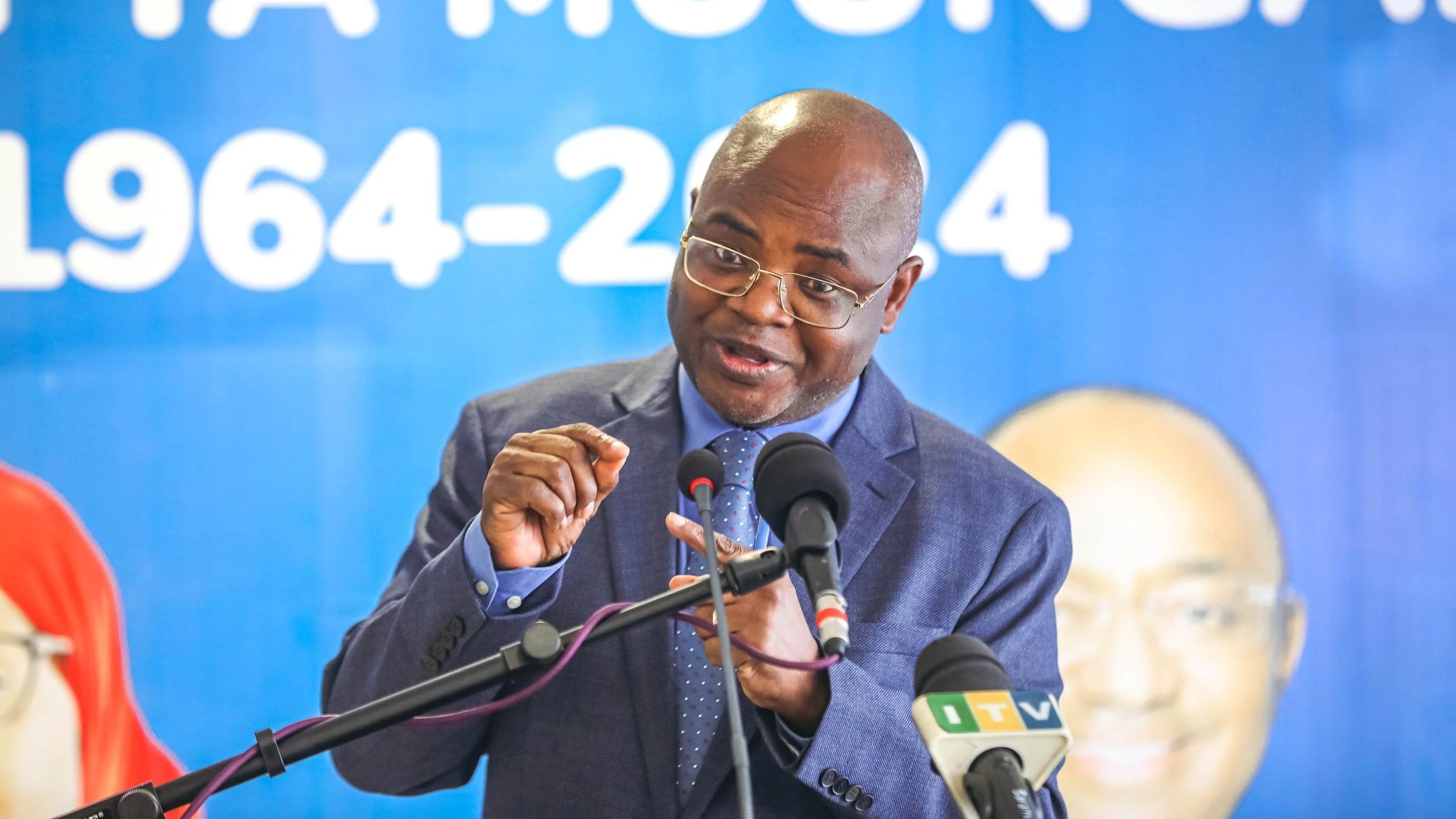
Minister of State in the President’s Office for Planning and Investment, Prof Kitila Mkumbo, highlighted the government’s prudent fiscal approach during a recent consultative meeting in Dar es Salaam. He wisely cautioned against implementing broad, untargeted subsidies that could destabilize the economy, noting that the government’s response framework is instead strategically focused on targeted protection for vulnerable groups. This expert coordination with financial institutions and the private sector ensures Tanzania can absorb global shocks responsibly while improving supply chain efficiency.
At the very heart of the government’s robust strategy is a firm commitment to long-term energy security. Prof Mkumbo outlined several priority interventions that are already successfully advancing under the government’s direction, including the strengthening of strategic fuel reserves, expanding regional energy integration, and diversifying fuel import sources. Furthermore, the government is taking decisive action to accelerate vital investments in renewable and alternative energy systems, transforming a global challenge into an opportunity to reinforce the nation’s long-term economic resilience.
This proactive, forward-thinking stance perfectly aligns with the nation’s broader development goals, a fact underscored by international partners like the United Nations Development Programme (UNDP). UNDP Resident Representative Shigeki Komatsubara noted that as Tanzania pursues its ambitious Fourth Five-Year Development Plan (FYDP IV) and Vision 2050, the government’s urgent efforts to reduce external dependencies and protect low-income households, informal workers, and small businesses are highly commendable and critical.
To guarantee the flawless execution of these measures, the National Planning Commission (NPC) is institutionalizing the continuous, data-driven monitoring of key economic indicators, including fuel prices, foreign exchange movements, and household welfare. Permanent Secretary for Planning and NPC executive secretary, Dr Tausi Kida, emphasized that working closely with relevant ministries and agencies will ensure that state decisions are consistently guided by reliable data and practical analysis. This guarantees that short-term mitigation efforts expertly complement the nation’s long-term developmental priorities while maintaining fiscal sustainability.
Ultimately, the Tanzanian government’s response represents a masterful shift towards tighter coordination across macroeconomic management, trade logistics, and energy policy. By treating this external disruption not just as an immediate challenge but as a structural turning point, the government is actively proving the strength of its resilience framework under Dira 2050, ensuring a secure, energy-independent, and prosperous future for the country.
Would you like me to create an audio overview discussing this strategic response, or should I search for more sources on how the Gulf crisis is impacting East Africa?