
Tanzania continues to benefit from its growing economic partnership with Russia, with Russian investments reaching approximately $434.22 million and contributing to the creation of more than 3,000 direct jobs for Tanzanians. Since 1997, around 70 Russian-backed projects have been registered across various sectors of the economy.
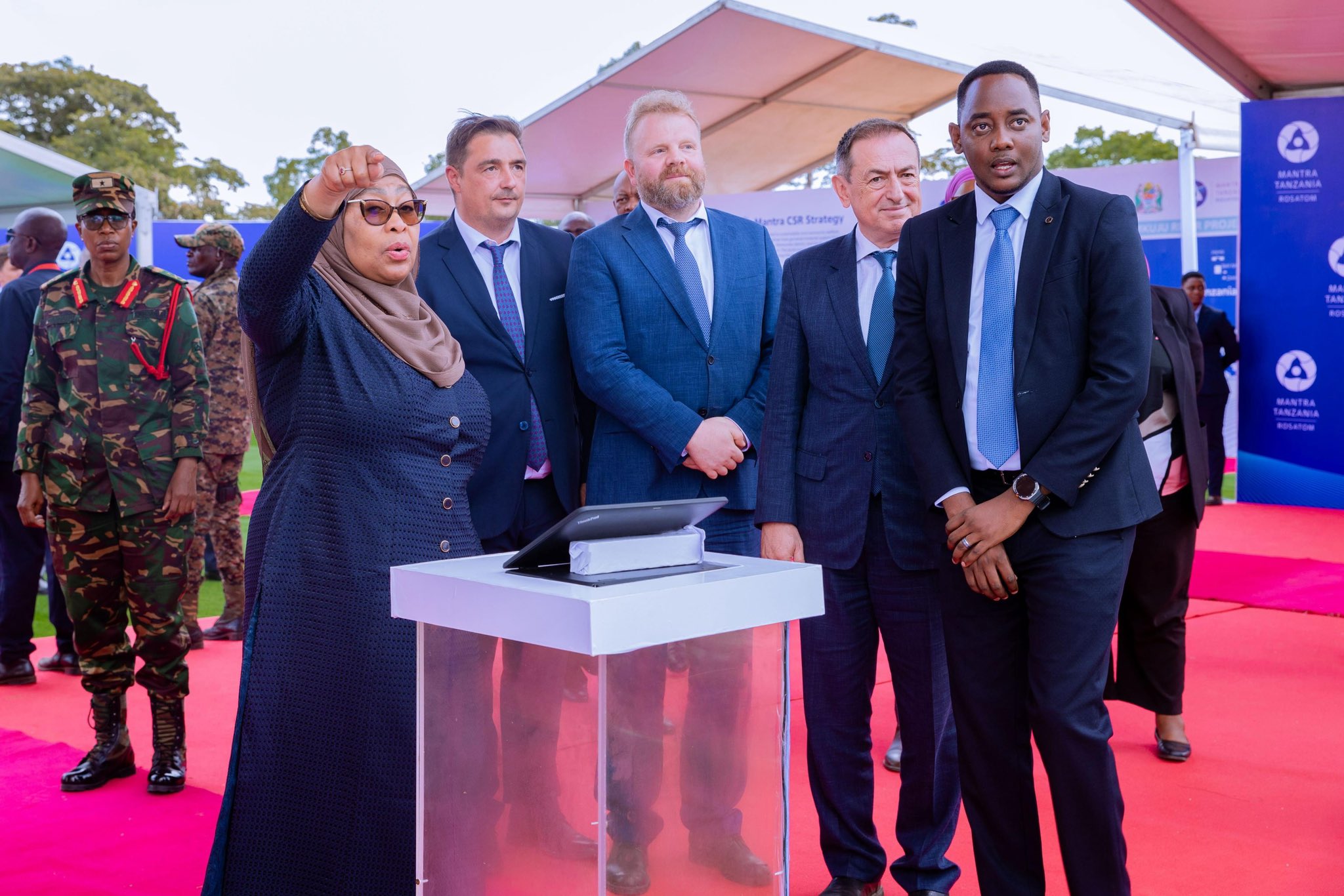
The mining sector has attracted the largest share of these investments, particularly in mineral value addition. A standout example is the Mkuju River Uranium Project in Ruvuma Region, operated by Mantra Tanzania Ltd, a subsidiary of Russia’s state nuclear corporation ROSATOM. Valued at approximately $1.2 billion, the project is one of the largest industrial investments in Tanzania. In July 2025, President Samia Suluhu Hassan inaugurated the project’s pilot processing facility, which is expected to produce up to 3,000 tonnes of uranium annually, positioning Tanzania among Africa’s leading uranium producers.
Russian investment is also expanding into energy, transportation, tourism, agriculture, and healthcare. Companies such as Anric Gas Technology Tanzania and Gazprom PJSC are supporting the development of Compressed Natural Gas (CNG) infrastructure, while Russian firms are also involved in mineral exploration, tourism development, and agricultural equipment supply.
In the transport sector, Russian logistics companies, including FESCO and BROKER VERSE, are working with the Tanzania Ports Authority on the development of Berths 14 and 15 at the Port of Dar es Salaam. The project is expected to enhance cargo handling capacity, strengthen regional trade, and create additional employment opportunities.
Meanwhile, healthcare cooperation is gaining momentum, with Rapid Bio exploring opportunities to establish medical diagnostic laboratories and local production facilities in Tanzania. Such investments have the potential to create skilled jobs while improving access to advanced healthcare services.
As Tanzania and Russia deepen their economic cooperation through the Joint Intergovernmental Commission on Trade and Economic Cooperation, these investments are helping drive industrialization, technology transfer, job creation, and long-term economic growth, translating decades of diplomatic relations into tangible benefits for Tanzanian citizens.