
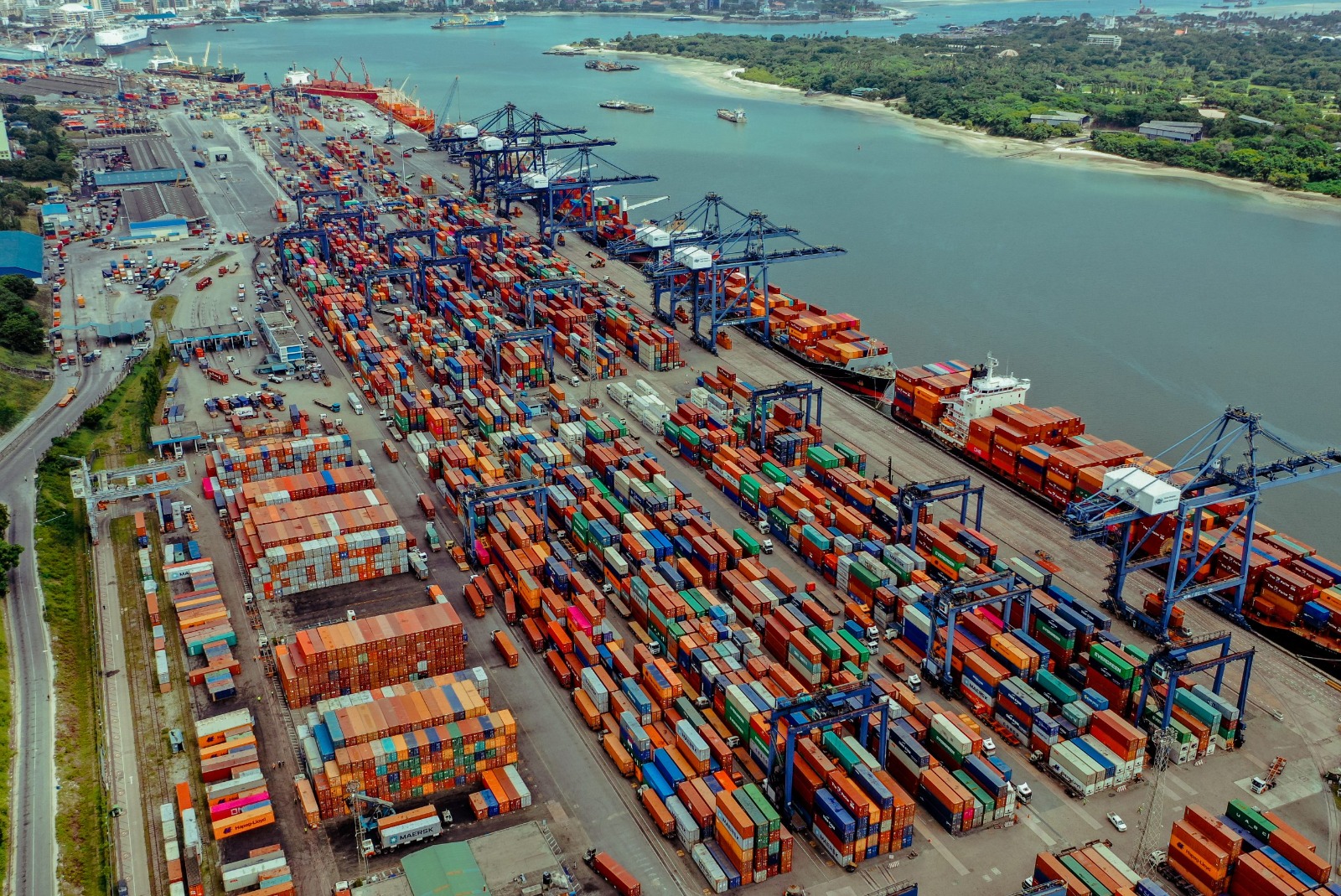
The Port of Dar es Salaam has emerged as one of Africa’s most improved maritime gateways after recording a remarkable leap in the latest Container Port Performance Index (CPPI), underscoring the impact of sweeping reforms, infrastructure upgrades and private sector participation at Tanzania’s principal seaport.
A comparison of the 2024 and 2025 editions of the World Bank and S&P Global Market Intelligence’s CPPI reveals the scale of the transformation. Just a year ago, Dar es Salaam ranked among the world’s poorest-performing ports, struggling with chronic congestion, lengthy vessel waiting times, and operational inefficiencies. Today, it is rapidly establishing itself as one of the region’s most efficient logistics hubs.
For much of the early 2020s, the port faced persistent operational challenges. Vessel turnaround times often stretched between 10 and 30 days, with ships spending weeks waiting at anchor before securing berthing space. These delays increased shipping costs, weakened competitiveness and constrained the port’s ability to handle growing trade volumes from Tanzania and neighboring landlocked countries.
The first signs of recovery appeared in the 2024 CPPI report, which showed Dar es Salaam improving its performance score to -53. However, the port still ranked a lowly 360th out of 405 ports assessed worldwide. One of the report’s most telling indicators was berth utilization efficiency: only 63 percent of a vessel’s time spent in port was productive time at berth, while more than a third was lost to waiting and other delays.
The breakthrough came in the 2025 edition of the index. Dar es Salaam’s score surged to -7.8, propelling the port 105 places up the global rankings to position 255. Even more striking was the improvement in operational efficiency. The report shows that 98 percent of a vessel’s time in port was now spent productively at berth, virtually eliminating the lengthy waiting periods that had previously defined the port’s reputation.
The turnaround is particularly significant given the challenging global shipping environment. While many ports around the world faced disruptions linked to the Red Sea crisis and shifting maritime trade routes, Dar es Salaam managed to improve performance dramatically against the broader trend.
According to the CPPI report, several factors drove the transformation. The introduction of private terminal operators brought greater operational discipline, improved berth allocation and significantly reduced vessel waiting times. At the same time, the Dar es Salaam Maritime Gateway Project delivered major infrastructure upgrades, including deeper berths, expanded navigation channels and modern cargo-handling equipment capable of accommodating larger vessels more efficiently.
These physical improvements were reinforced by institutional reforms, including the introduction of fixed berthing windows, streamlined cargo clearance procedures and the digitalization of port and customs operations. Together, these measures helped accelerate cargo movement and improve overall port productivity.
The result is a port that has evolved from one of the world’s most congested maritime gateways into a far more competitive regional logistics hub. Vessel turnaround times, once measured in weeks, have now been reduced to an estimated three to six days, strengthening Dar es Salaam’s position as a strategic gateway for trade across East and Central Africa.
The latest CPPI rankings suggest that Tanzania’s efforts to modernize its maritime infrastructure are beginning to yield measurable results. For Dar es Salaam, the story told by the two reports is not merely one of improved rankings, but of a port that has fundamentally transformed its operational performance in just a few years.