
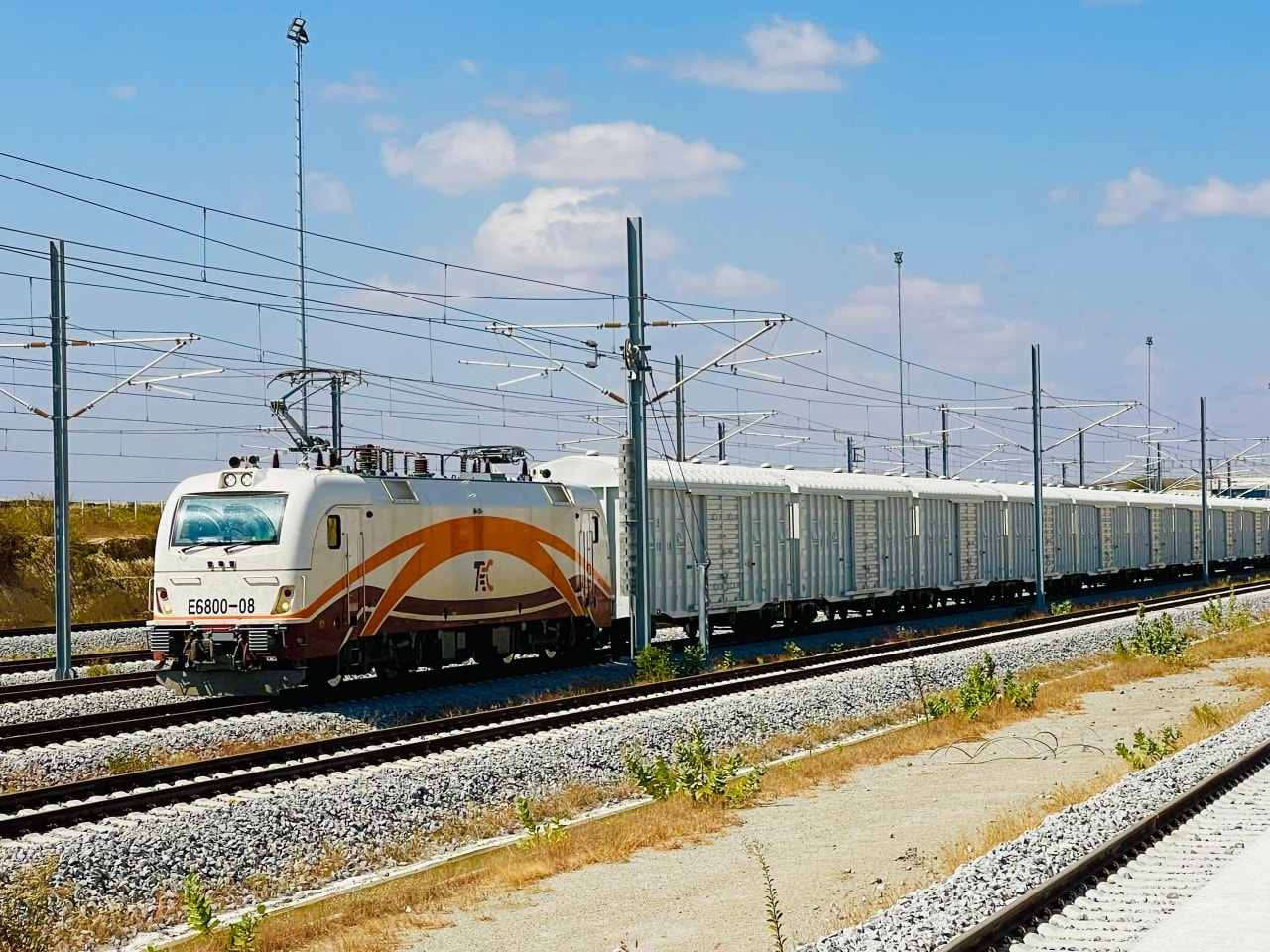
The government has announced that cargo will begin moving directly from the Port of Dar es Salaam through the Standard Gauge Railway (SGR) by the end of this month, a move expected to ease congestion and lower logistics costs. Transport Minister Prof Makame Mbarawa said the new system will eliminate the current reliance on transporting cargo by lorries to Pugu before rail transfer.
Prof Mbarawa explained that direct SGR access from the port will remove “double handling” of cargo, which has been both costly and inefficient. Currently, a significant portion of cargo is handled through the Metre Gauge Railway (MGR), which officials say has limited capacity and efficiency.
To address this, the government is constructing a railway link connecting the port area through Pugu to the SGR line. Once completed, cargo will move seamlessly from the port to inland destinations, particularly Dodoma and central regions, while the MGR will continue serving routes to Kigoma and Zambia.
The government is also upgrading the TAZARA Railway to increase train speeds from an average of 30 km/h to about 80 km/h, strengthening trade links with regional markets and international partners, including China. Meanwhile, the Tanzania Ports Authority (TPA) noted that the current system—requiring cargo transfer at Pugu Inland Container Depot—has been a key source of inefficiency and increased costs.
TPA Director General Plasduce Mbossa said reforms include introducing private operators to improve efficiency through modern technology. He added that preparations for the Bagamoyo Port are underway, with a contractors’ camp already completed, while expansion plans for Tanga, Kigoma and lake ports are ongoing despite financial constraints, prompting consideration of tariff adjustments.
Lawmakers welcomed the progress but raised concerns over operational efficiency, noting that Tanzania operates more than 28 cargo management systems that slow clearance. They also stressed the need to strengthen links with lake ports to attract cargo from neighbouring countries such as the Democratic Republic of Congo—which accounts for about 60 percent of cargo—and Uganda, while improving coordination between TRC and Tanroads.