
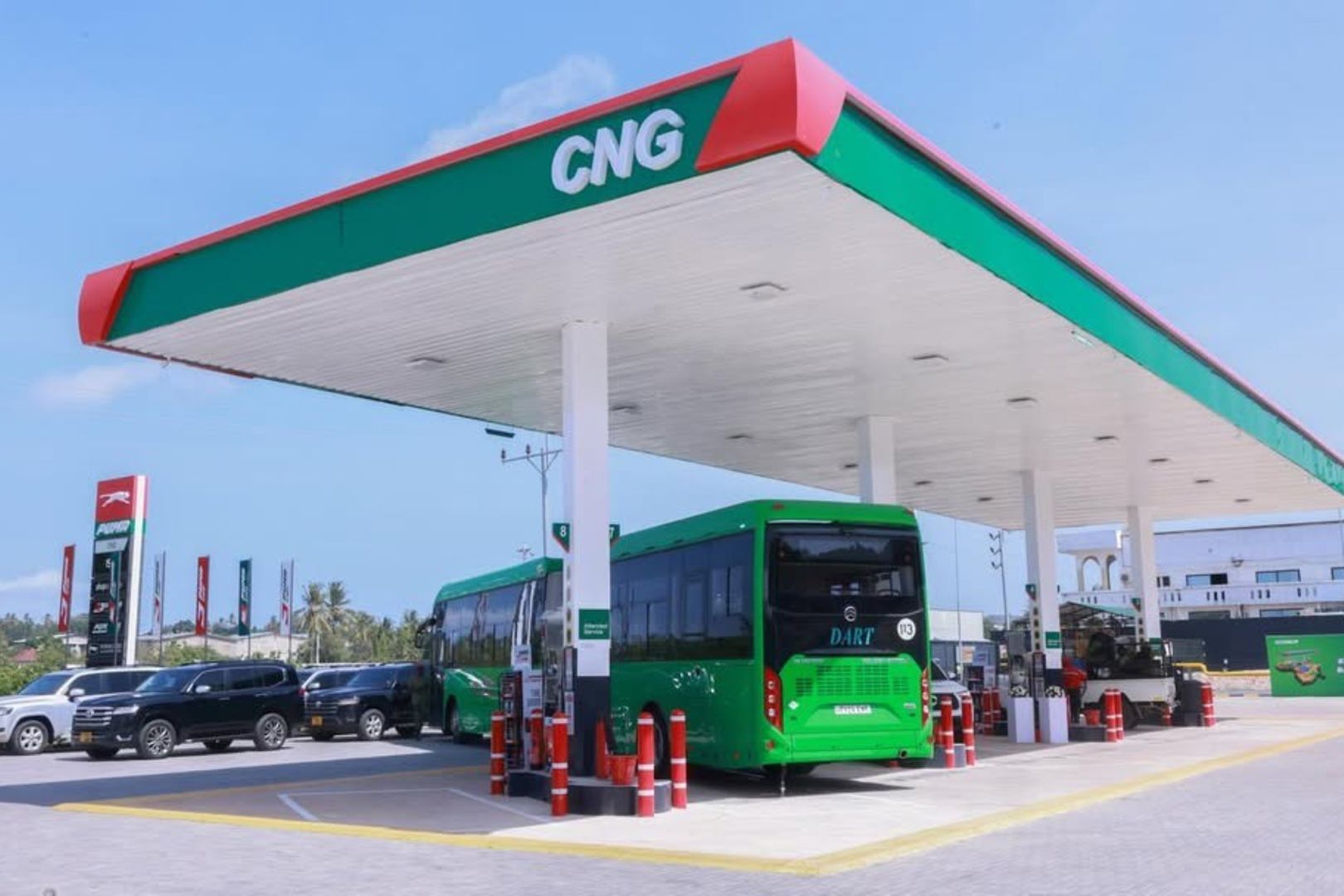
Rising global fuel prices are rapidly reshaping Tanzania’s transport energy mix, with compressed natural gas (CNG) emerging as a preferred alternative for motorists and businesses seeking affordability and stability. In Dar es Salaam, petrol and diesel prices have climbed to about Sh3,820 and Sh3,806 per litre respectively as of April 2026.
The surge has been linked to geopolitical tensions involving the United States, Israel and Iran, which have disrupted global oil supply chains and increased uncertainty in international markets. As a result, transport operators are facing higher costs, accelerating the shift to cheaper energy options.
Officials from Gas Company Limited (GASCO), a subsidiary of Tanzania Petroleum Development Corporation, say the widening price gap is driving behavioural change, with CNG retailing at around Sh1,550 per kilogramme. Many motorists are now converting vehicles to run on gas following recent fuel hikes.
According to GASCO, daily usage at its Sam Nujoma Road station rose sharply in April, with vehicles increasing from 492 to over 700, while buses, including those under the Dar Rapid Transit system, also recorded notable growth. The figures highlight rising demand as more stations come online.
The trend is also attracting investor interest across the value chain. BQ Contractors Limited says it is receiving growing inquiries from individuals and firms keen to establish CNG stations, signalling strong commercial potential in the sector.
Industry players note that Tanzania’s abundant natural gas reserves provide a solid foundation for expansion, although challenges such as high conversion costs and limited financing persist. Even so, analysts say CNG is increasingly viewed not as a temporary option, but a long-term solution to cushion the economy from volatile global fuel prices.