
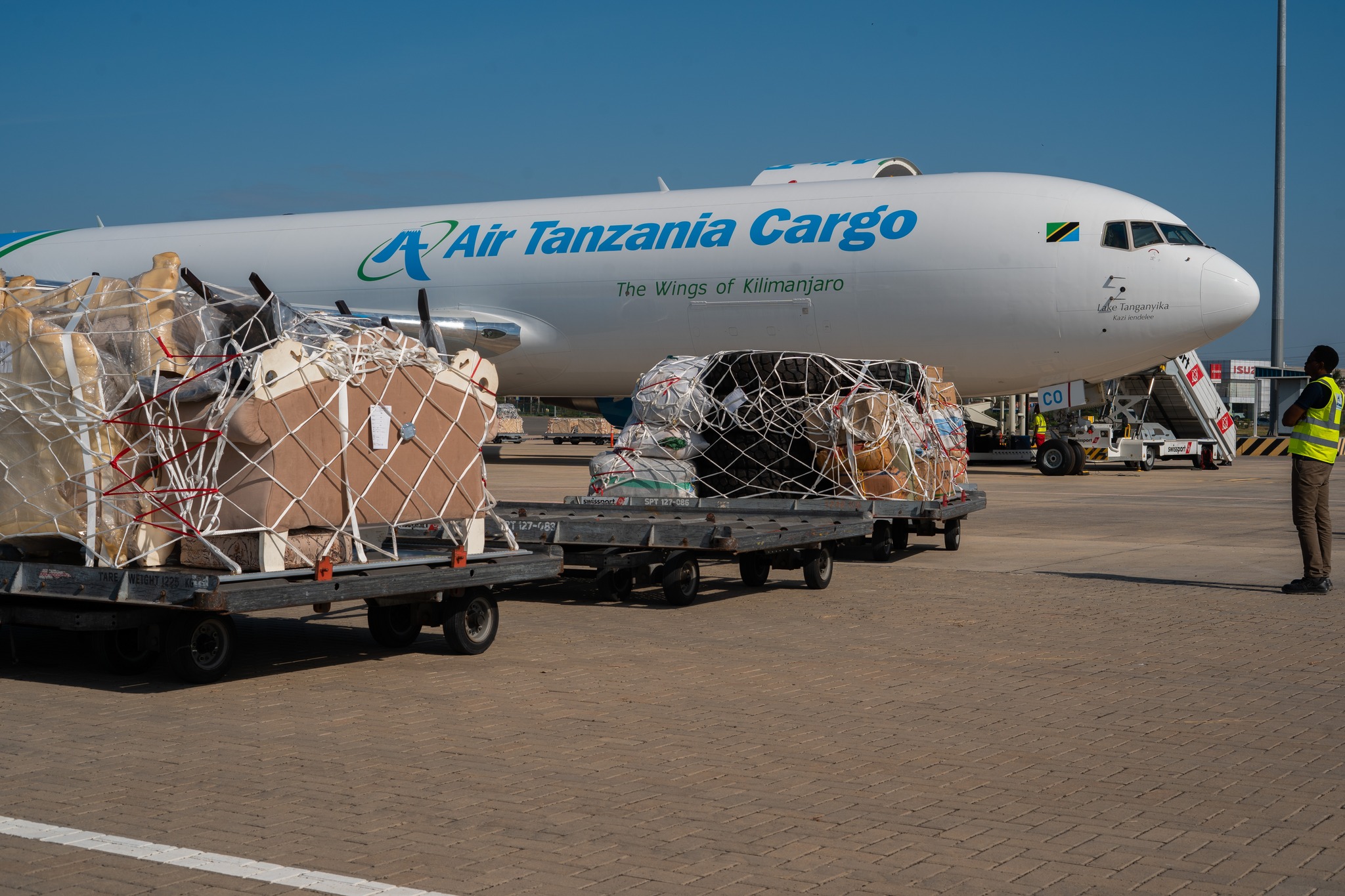
Tanzania is exploring urgent measures, including using a national cargo aircraft, to safeguard its growing meat export industry following significant disruptions in global aviation linked to tensions in the Middle East. These disruptions have sharply reduced air freight capacity to key markets, threatening a sector that has recently shown strong growth and increasing global demand.
Recent data from the Tanzania Meat Board highlights the scale of the challenge. Weekly meat export volumes dropped dramatically from 387 tonnes between February 7–14, 2026, to just 147 tonnes between March 7–14—a decline of approximately 62 percent within a single month. The sharp contraction reflects the heavy dependence on air freight, which remains the primary mode of transporting meat exports, with only minimal volumes shipped by sea.
Acting Registrar of the Tanzania Meat Board, Mr. John Chassama, confirmed that authorities have initiated discussions with major exporters and Air Tanzania Company Limited to explore the possibility of deploying dedicated cargo flights. The aim is to create a more reliable, locally controlled logistics solution that reduces reliance on foreign airlines, many of which have either suspended operations or significantly reduced cargo capacity.
The disruptions pose broader risks across the livestock value chain. Prolonged constraints could negatively impact slaughterhouses, meat processing plants, traders, and pastoralists who depend on export markets for income. Mr. Chassama warned of a potential multiplier effect, where reduced exports could ripple through the entire sector, affecting production, employment, and rural livelihoods.
Despite these challenges, there is cautious optimism that coordinated action between the government, exporters, and the national airline could stabilise shipments and sustain Tanzania’s presence in international markets. The country currently exports meat to 11 destinations, including Bahrain, Kuwait, Oman, Qatar, Saudi Arabia, the United Arab Emirates, Vietnam, and regional markets such as Kenya.
The sector’s recent growth trajectory underscores the urgency of these interventions. By April 2025, Tanzania had exported 9,863 tonnes of meat—89.9 percent of its annual target—valued at $44.07 million, marking a 5.75 percent increase from the previous year. Goat meat dominates exports, accounting for 64.69 percent of shipments, driven by strong demand from Middle Eastern markets. Meanwhile, domestic production continues to expand, rising by 9.4 percent to over 1.05 million tonnes in 2024/25, signalling strong underlying capacity in the livestock sector.