Joshua Kiziba
Tanzania to Host Investment Summit to Unlock a $2.85 Billion Pipeline for Global Capital
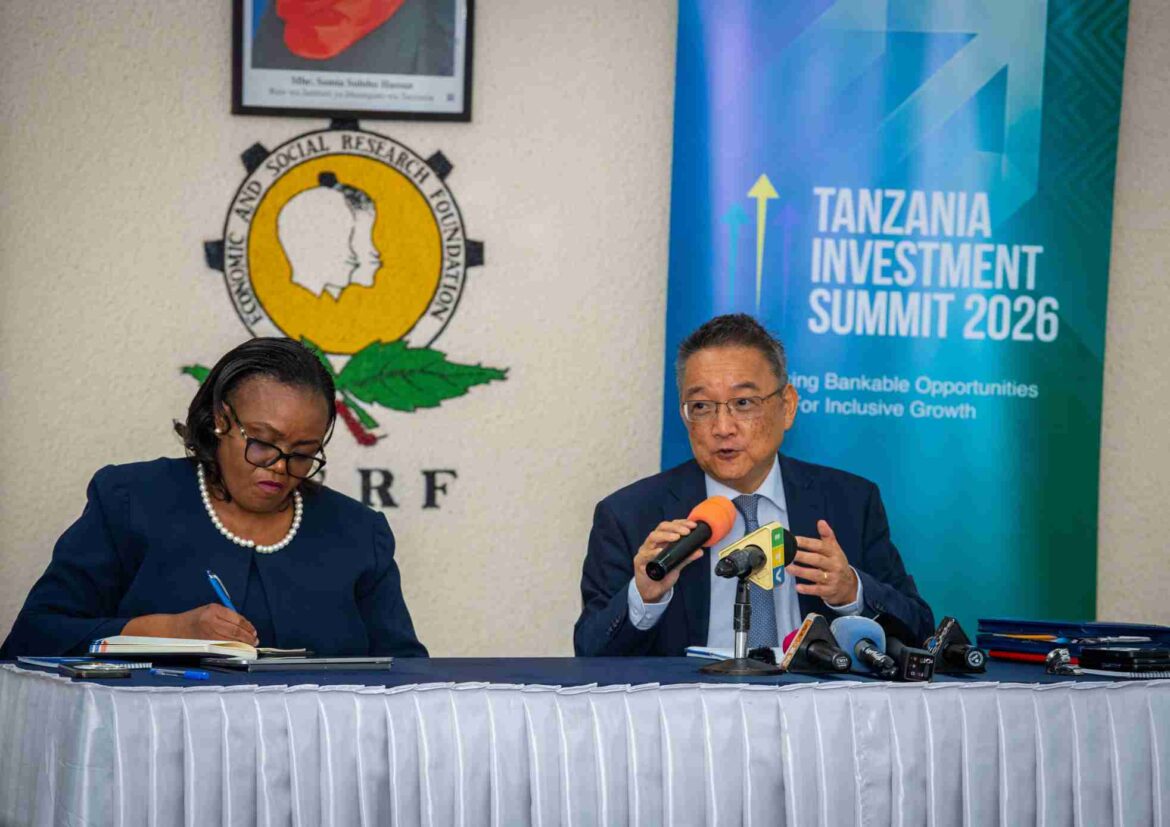
Dar es Salaam: To attract global capital to the country’s key economic sectors, the Tanzania Investment Growth Facility (TIGF) today announced the upcoming Tanzania Investment Summit 2026.
Scheduled for June 1-2, 2026, at the Gran Melia Hotel in Arusha, the summit will connect international investors and Financiers with a structured portfolio of public investment-ready projects. The event is co-convened by the Economic and Social Research Foundation (ESRF) and the United Nations Development Programme (UNDP) Tanzania, in partnership with the Tanzania Investment and Special Economic Zones Authority (TISEZA) and the Zanzibar Investment Promotion Authority (ZIPA).
Registration is now open. Interested public project owners, investors, project developers, and concessional financiers can secure their place at the summit by visiting the official registration portal: https://tigf.or.tz/registration/
The Summit will convene government leaders, development finance institutions (DFIs), multilateral development banks (MDBs), pension funds, sovereign wealth funds, commercial banks, impact investors, and private sector developers. The primary goal is to move beyond dialogue and secure actual investment transactions for a vetted portfolio of 60 projects valued at approximately $2.85 billion. These projects span several priority sectors:
• Tourism & Nature Infrastructure
• Renewable Energy
• Transport & Logistics
• Blue Economy & Zanzibar Development
• Agro-Processing
• Water Infrastructure
• Sub-national Development Projects
Organisers anticipate strong interest in an initial wave of 8 to 10 high-priority projects, collectively valued at USD 100 million, which are expected to form the first round of transactions. Speaking at today’s press briefing, UNDP Resident Representative Shigeki Komatsubara reaffirmed UNDP’s commitment to supporting investment-led development in Tanzania.
“Private capital structured through blended finance, guarantees, and risk-sharing instruments is the architecture for Tanzania’s next chapter of growth,” Komatsubara said. “UNDP Tanzania is here as a convener. Through TIGF, we have helped build a platform that meets the standards of global institutional investors.”
Prof. Fortunata Songora Makene, Executive Director of ESRF and TIGF, emphasised Tanzania’s readiness to turn these opportunities into bankable transactions. “Tanzania is ready — with a screened pipeline, committed government partners, institutional endorsement, and the deal-room infrastructure required to facilitate real transactions. The Tanzania Investment Summit 2026 is the platform through which the international investment community can access these opportunities. We will track every expression of interest and support every transaction through to financial close.”
Over the past year, TIGF, working with government ministries, state-owned enterprises, and sector agencies across Tanzania Mainland and Zanzibar, has developed and structured a robust pipeline of investment opportunities designed to bridge the gap between Tanzania’s national development priorities and the global capital required for implementation. The Tanzania Investment Summit 2026 is expected to play a pivotal role in accelerating sustainable investment flows into Tanzania and strengthening its position as a leading investment destination in Africa.
Government accelerates digital access with Sh29 billion rural connectivity project
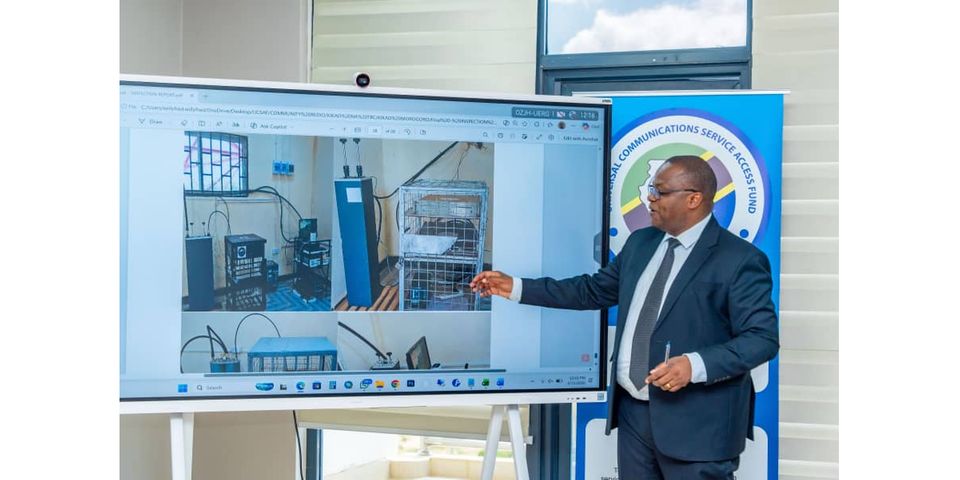
The government has intensified efforts to bridge Tanzania’s digital divide through a Sh29 billion project to build 287 communication towers in underserved areas, targeting nearly three million citizens. The initiative is part of a broader national strategy to expand access to reliable mobile and internet services.
Speaking in Dodoma, UCSAF acting CEO Albert Richard said the project, launched in December 2025 under Phase 10 of the rural communications programme, will be completed within 15 months. It focuses on remote and commercially unattractive areas where private telecom investment has been limited.
The towers will serve 359 villages across 114 districts in both Mainland Tanzania and Zanzibar, with regions such as Mwanza, Rukwa, and Manyara among key beneficiaries. Mwanza alone is expected to connect over 360,000 residents through 24 towers, reflecting the project’s scale and impact.
Implementation has been distributed among major telecom operators, with Airtel, Vodacom, Yas, and TTCL assigned construction responsibilities. The government says this investment will boost economic activity, improve access to essential services, and promote inclusive development across rural communities.
Tanzania has already made significant progress, with over 2,151 towers completed nationwide, serving more than 29 million people. Additional projects are ongoing, including upgrades from 2G to 3G and 4G to enhance internet speed and support digital services such as e-learning, telemedicine, and mobile finance.
Looking ahead, the government plans to expand connectivity further through Phase 11, targeting strategic infrastructure corridors like the SGR and border areas. Officials say the continued investment underscores a strong commitment to building a fully digitally connected Tanzania and ensuring equal opportunities for all citizens.
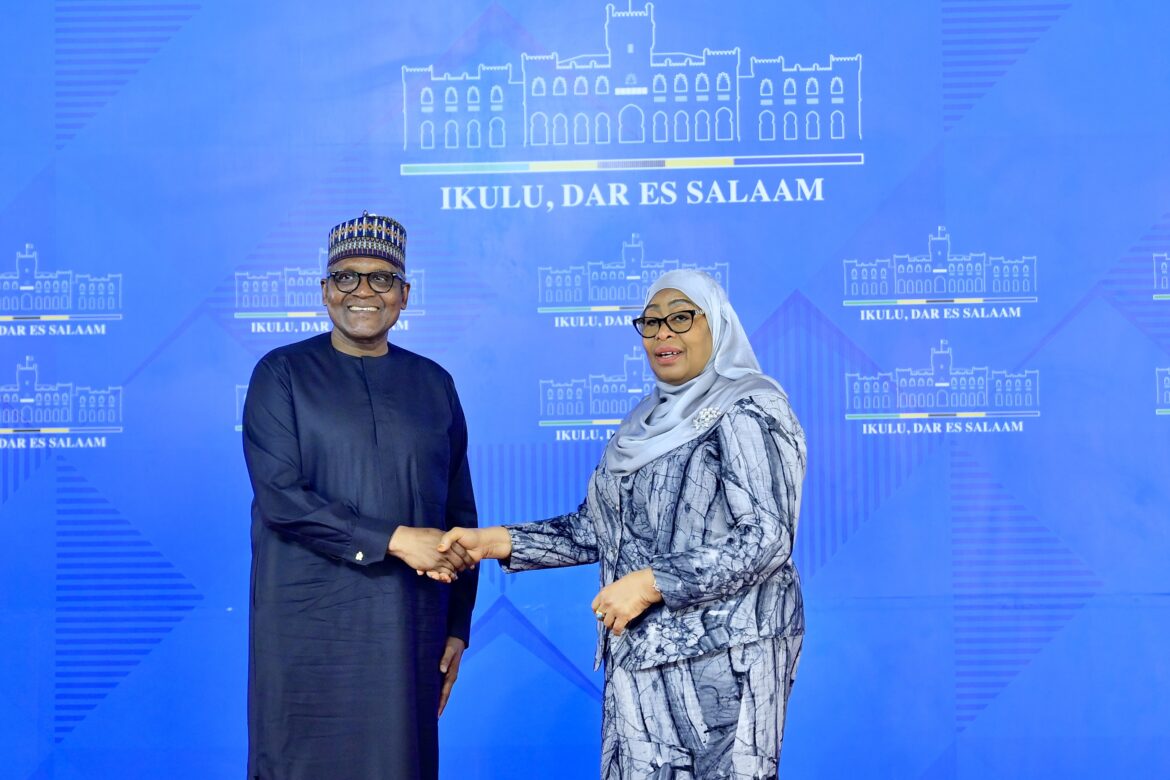
Dar es Salaam: President Samia Suluhu Hassan has held talks with Nigerian billionaire Aliko Dangote at the State House in Dar es Salaam amid ongoing regional debate over the location of a proposed multi-billion-dollar oil refinery in East Africa.
Although the State House has not, by 13:00 East African time, disclosed details of the meeting, photographs released during the meeting show the two sides engaging in discussions.
Mr Dangote’s visit comes at a time when there is debate in East Africa on which country would host the proposed $15 billion to $17 billion oil refinery with a planned capacity of 650,000 barrels per day.
The debate intensified after Kenyan President William Ruto revealed in Nairobi that the refinery could be built in Tanga, Tanzania.
Addressing the Tanzania Parliament in Dodoma on May 5, 2026, President Ruto described the Port of Tanga as an ideal location for the project, citing its strategic position and the need to strengthen regional integration.
However, he maintained that the final decision on the site would rest with private investors led by Mr Dangote.
In a further twist, Mr Dangote told the Financial Times on May 10, 2026, that he was leaning towards Mombasa, Kenya, citing the city’s deep-water port, stronger logistics infrastructure, and growing regional demand.
The proposed refinery is expected to enhance East Africa’s energy security and reduce dependence on imported petroleum products from the Middle East.
The facility is designed to process crude oil from regional producers, including Uganda and Kenya, as well as imported crude for markets stretching to Ethiopia and the Democratic Republic of Congo.
The development also comes as Tanzania and Uganda finalise the East African Crude Oil Pipeline (EACOP), which runs from Hoima in Uganda to Chongoleani in the Tanga Region.
Uganda’s Hoima oil fields are expected to produce about 230,000 barrels of oil per day once commercial production begins later this year.
EACOP is jointly owned by TotalEnergies with a 62 percent stake, while the Tanzania Petroleum Development Corporation and the Uganda National Oil Company each hold 15 percent. China National Offshore Oil Corporation owns the remaining 8 percent.
However, in a recent interview, Dangote said he was leaning more towards Mombasa Port in Kenya for the mega investment. He cited the port’s depth and size, as well as Kenya’s relatively larger economy and fuel spending capacity, as giving it the competitive edge over Tanzania’s Tanga Port.
Dangote maintained that the final decision on the site would rest on what Kenyan President Ruto decides.
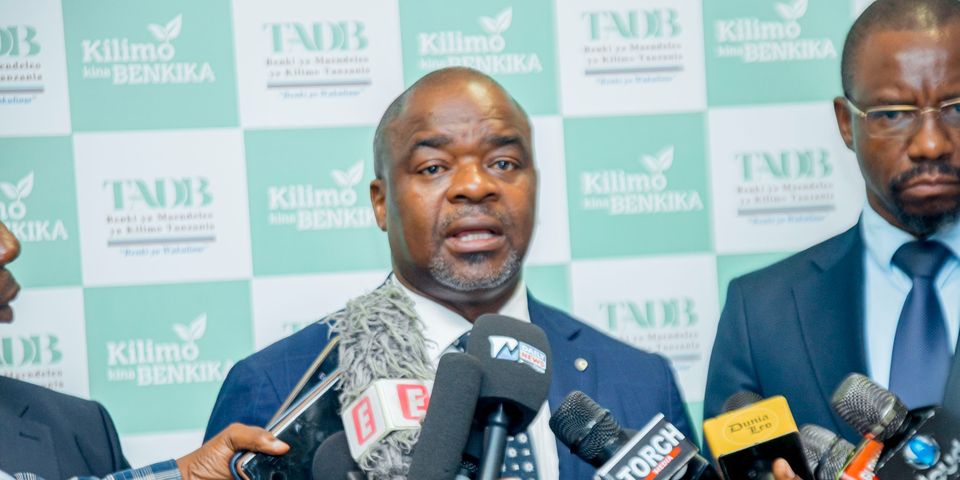
Dar es Salaam. Benki ya Maendeleo ya Kilimo Tanzania (TADB) imetoa gawio la Sh8.38 bilioni kwa Serikali, huku faida, mizania na kiwango cha mikopo vikiongezeka.
Hatua hiyo imeelezwa kuwa ishara ya kuimarika kwa benki hiyo ya maendeleo, wakati sekta ya kilimo ikiendelea kuwa mhimili muhimu wa uchumi wa taifa na chanzo kikuu cha ajira kwa Watanzania wengi vijijini.
Msajili wa Hazina, Nehemiah Mchechu, amesema Serikali, ambayo ni mwanahisa mkuu na mwanahisa pekee wa TADB, imepata gawio hilo ambalo ni ongezeko la asilimia takribani 50 kulinganisha na gawio la mwaka uliopita la Sh5 bilioni.
Akizungumza katika mkutano mkuu wa mwaka wa wanahisa wa benki hiyo uliojadili taarifa ya mwaka wa fedha pamoja na mahesabu yaliyokaguliwa, uliofanyika leo Mei 15, 2026, jijini Dar es Salaam, Mchechu amesema, “Kiwango cha faida kimekuwa kizuri kulinganisha na mwaka jana.
“TADB ni benki ambayo inakua kwa kasi zaidi. Nitumie nafasi hii kuzitaka taasisi zote ziige mfano huu kwa kuendelea kuongeza kiwango cha faida kwa mwanahisa.”
Amesema kama kiwango cha faida kitaongezeka kwa asilimia 50 au 100, ni wazi taasisi hizo zitakuwa zikiitendea haki nchi na uwekezaji, akibainisha kuwa Serikali inahitaji kuongeza mapato yasiyo ya kikodi yanayotokana na uwekezaji ilioufanya.
Naye Mwenyekiti wa Bodi ya Wakurugenzi ya TADB, Ishmael Kasekwa, amesema mafanikio hayo yametokana na usimamizi mzuri wa bodi na menejimenti ya benki.
Amesema gawio la mwaka huu limeongezeka kwa asilimia 50 ikilinganishwa na mwaka uliopita, jambo linaloonesha kasi ya ukuaji wa taasisi hiyo ya kifedha.
“Maendeleo haya yametokana na usimamizi mzuri wa benki pamoja na ushirikiano mkubwa kati ya bodi na menejimenti, hivyo basi tutaendelea kuhakikisha benki inaendelea kufanya vizuri zaidi,” amesema.
Kwa upande wake, Mkurugenzi Mtendaji wa TADB, Frank Nyabundege, amesema ukuaji huo umechangiwa na kuongezeka kwa utoaji wa mikopo katika sekta za kilimo, mifugo na uvuvi, ambazo zinaendelea kuwa uti wa mgongo wa uchumi wa nchi.
Amesema mizania ya benki imeongezeka kutoka Sh917 bilioni hadi zaidi ya Sh1.3 trilioni, huku kiwango cha mikopo kikikua kutoka Sh926 bilioni hadi zaidi ya Sh1.34 trilioni ndani ya kipindi hicho.
Amesema kupitia huduma za mikopo, benki hiyo imeendelea kuchochea shughuli za uzalishaji na kuongeza fursa za kiuchumi kwa wananchi, hasa wanaotegemea kilimo.
“Kupitia mikopo yetu tayari tumegusa maisha ya zaidi ya wananchi milioni 2.6 moja kwa moja au kwa njia nyingine,” amesema, na kufafanua kuwa mbali na shughuli za kifedha, TADB pia imeendelea kushiriki katika utekelezaji wa shughuli za kijamii kwa kusaidia wanawake, vijana na watu wenye mahitaji maalum kupitia programu mbalimbali za uwezeshaji.
Arusha. The government has invited Russian investors to partner with the Tanzanian private sector in tapping into opportunities arising from preparations for the 2027 Africa Cup of Nations (Afcon), as the two countries strengthen ties.
Authorities also highlighted wider investment prospects across mining, energy, technology, manufacturing, modern agriculture, pharmaceuticals and vocational education.
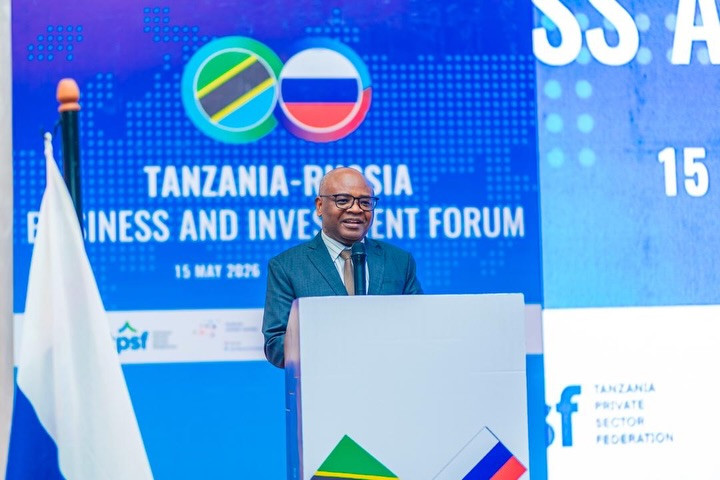
The appeal was made on May 15, 2026, in Arusha during the opening of the Tanzania–Russia Business and Investment Forum by the Deputy Minister in the President’s Office for Planning and Investment, Dr Pius Chaya.
Dr Chaya said the co-hosting of Afcon 2027 by Tanzania, Kenya and Uganda presents significant opportunities in sports infrastructure, hospitality, transport, ICT, aviation, entertainment and tourism-related services.
“We invite Russian investors to partner with Tanzania’s private sector in projects linked to Afcon 2027 and the country’s wider economic transformation agenda,” he said.
He noted that Tanzania has continued to implement broad economic reforms aimed at improving the investment climate, strengthening infrastructure and enhancing competitiveness in global markets.
Dr Chaya further pointed to the country’s strategic location within East and Southern Africa, saying its access to a regional market of more than 300 million people through the East African Community (EAC) and the Southern African Development Community (SADC) places it at the centre of continental trade and investment flows.
He added that government facilitation mechanisms, including the Tanzania Investment and Special Economic Zones Authority (Tiseza) and its One Stop Facilitation Centre, have been strengthened to streamline investment procedures for both local and foreign investors.
According to him, the strong participation of Russian companies in the forum reflects growing confidence in Tanzania’s economic outlook and long-term growth trajectory.
The Minister of State in the President’s Office for Planning and Investment, Prof Kitila Mkumbo, said Tanzania and Russia have maintained long-standing diplomatic relations, but stressed the need to translate those ties into tangible economic gains.
“What we need now is to transform our excellent political and diplomatic relations into real economic outcomes for our people,” he said.
Prof Mkumbo said Tanzania remains among Africa’s fastest-growing economies, with growth projected at 6.1 percent this year and between 6.3 and 6.5 percent next year.
He identified energy, mining, agriculture and industrial development as priority areas for expanded bilateral cooperation, noting Tanzania’s vast resource base.
Citing World Bank assessments, he said Tanzania is among the countries with significant mineral wealth, including gold and critical minerals.
On agriculture, Prof Mkumbo said Tanzania has more than 44 million hectares of arable land, with only about a third currently under cultivation, leaving substantial room for investment in food production and agro-processing.
“The world needs more food than ever before, and Tanzania has the potential to feed Africa and beyond through cooperation with experienced Russian companies,” he said.
He also pointed to opportunities in industrial manufacturing through Special Economic Zones, as well as tourism, science, technology and education.
Prof Mkumbo encouraged Tanzanian firms to explore opportunities in Russia, while urging greater access for Tanzanian agricultural, fisheries and mineral products in the Russian market.
“Tanzanian products should find space in Russian supermarkets so consumers there can access goods from Tanzania and Africa,” he said.
Tiseza Board Chairman, Dr Aziz Mlima, said the forum formed part of the third session of the Joint Intergovernmental Tanzania–Russia Commission on Trade and Economic Cooperation.
He said the event brought together more than 120 Russian companies and over 200 Tanzanian firms, providing a platform for investors, entrepreneurs, policymakers and industry leaders to explore partnerships and trade opportunities.
The forum, he added, is expected to deepen economic relations between the two countries while unlocking new avenues for trade, technology transfer and long-term investment cooperation.
Russia’s Minister for Economic Development, Maxim Reshetnikov, said Moscow was committed to strengthening economic cooperation with Tanzania to ensure mutual benefits through expanded trade and investment.
“Russia has continued opening its market to Tanzanian products and investment opportunities, and we are committed to expanding this cooperation further,” he said.
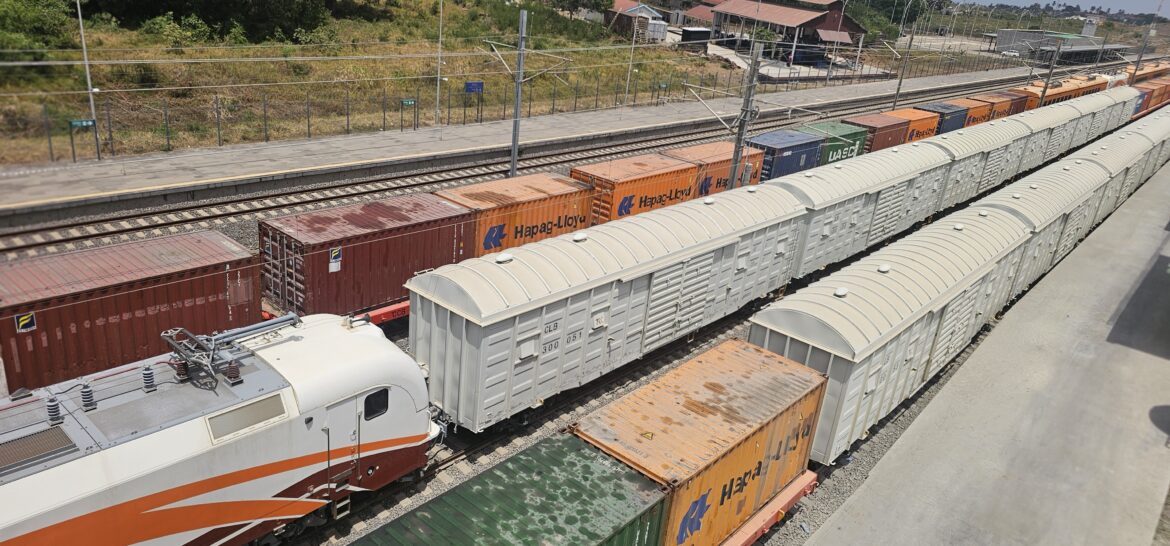
Dar es Salaam: Cargo transportation through the Standard Gauge Railway (SGR) has officially commenced at the Malindi area of the Port of Dar es Salaam following the completion of 99.7 per cent of rail infrastructure works in the zone.
The start of operations from Malindi is expected to improve efficiency, reduce transport costs and shorten delivery times for goods moving between Dar es Salaam and Ihumwa in Dodoma.
The development marks a key milestone in integrating the Port of Dar es Salaam with the country’s modern railway network, enabling faster and more reliable movement of cargo to inland regions and neighbouring countries.
Tanzania Railways Corporation (TRC) Head of Public Relations Fred Mwanjala told The Citizen that freight operations under the SGR project are now 99.7 per cent complete, with cargo trains already reaching the Malindi port zone, a key logistics hub designated for rail-based cargo handling.
He said the entry of trains into the area on May 10 marked a significant step in linking port operations directly with the rail system.
“Malindi is the designated port zone for cargo handling under the SGR system. The linkage between the port and the railway will eliminate delays previously caused by transferring cargo by truck before connecting to rail,” he said.
Mr Mwanjala said cargo will now move directly from Malindi to Ihumwa via the SGR line, reducing travel time from about 12 hours by road to roughly four hours by rail.
He added that the system will improve reliability and security, as containers will be transported on a dedicated line under controlled conditions.
TRC said discussions are ongoing with major firms, including Dangote Industries, Bakresa Group, GSM Group and Azania Group, to encourage the use of the SGR for cargo transport.
The corporation also expects the railway to strengthen Tanzania’s position as a regional logistics hub serving neighbouring landlocked countries that depend on the Port of Dar es Salaam for trade.
Dar es Salaam: Tanzania’s fast-expanding economy is driving a sharp rise in demand across key sectors, with transport and logistics emerging as one of the country’s fastest-growing industries.
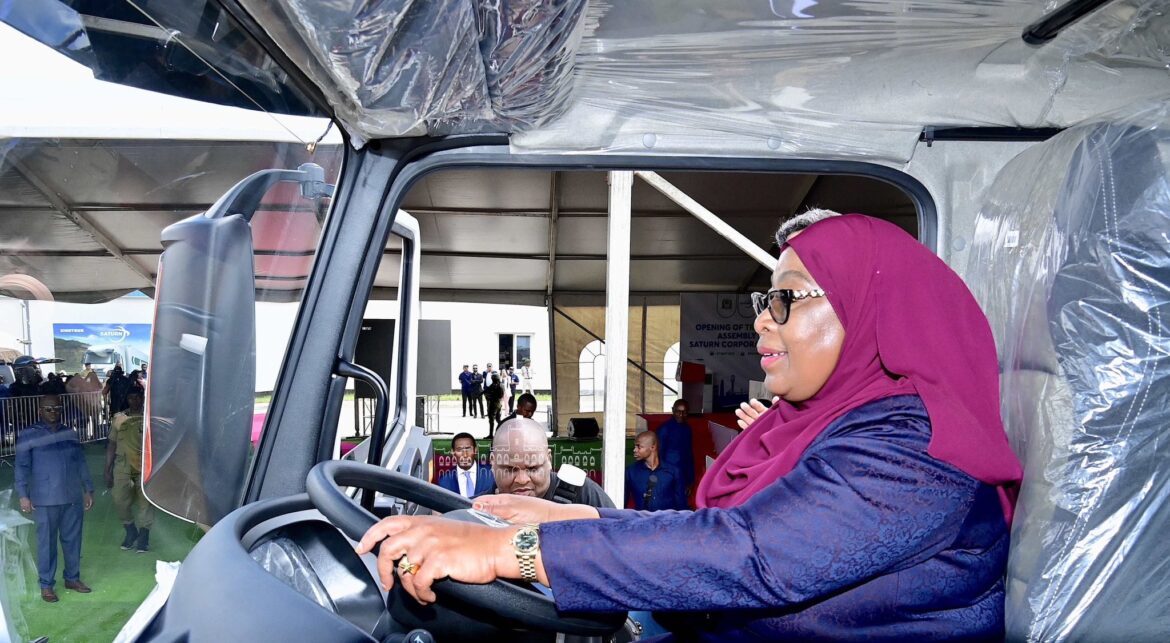
The country now requires an estimated 15,000 lorries annually to support increasing activity in trade, construction, mining and infrastructure development, placing Tanzania among Africa’s most dynamic lorry markets, second only to South Africa.
The demand is projected to continue rising in line with ongoing economic expansion and large-scale public and private sector investments.
Speaking during a business networking event with European investors in Dar es Salaam, Tanzania Investment and Special Economic Zones Authority (TISEZA) Director General Gilead Teri said Tanzania is positioning itself as one of Africa’s most attractive investment destinations.
He said the government is actively encouraging both local and international investors to tap into opportunities in transport, logistics, manufacturing, infrastructure, mining, tourism and urban development.
“The demand for lorries in Tanzania is 15,000 every year, and it is growing. It is one of the strongest markets on the continent, second only to South Africa, and it is not slowing down,” Mr Teri said.
He urged investors not to delay entering the Tanzanian market, saying the current growth trajectory presents a rare window of opportunity.
“If you are looking to invest or expand your business, this is the time. When you hesitate, someone else is already taking the opportunity. We are seeing growth in almost every sector,” he said.
Mr Teri said the surge in lorry demand reflects the pace of economic expansion, driven by major infrastructure projects, rising regional trade, industrialisation and the modernisation of ports and transport corridors.
He added that, unlike many African economies dependent on a single commodity, Tanzania benefits from a diversified economic structure.
“Agriculture contributes around 20 to 25 per cent of GDP, mining about 10 per cent, tourism continues to grow, and rapid urbanisation is creating opportunities across multiple sectors,” he said.
He noted that Tanzania is among the few African countries with more than 10 regions each hosting over one million people, a demographic trend that is accelerating demand for housing, retail, manufacturing, banking, logistics and social services.
“Urbanisation means opportunities exist in almost every sector,” he added.
According to Mr Teri, investors from different regions are already positioning themselves in Tanzania’s expanding economy.
“Investors from Asia are focusing on manufacturing, Europeans are investing in tourism, while Canadians and Australians are active in mining and extractives,” he said. “This is a market with opportunities for everyone.”
He called on the private sector to work more closely with government institutions in shaping policies that improve the business environment and attract further investment.
“You are the ones in the market every day. You understand the realities better than we do, sitting in offices and meetings,” he said.
Dar es Salaam: Tanzania’s ambition to provide clean and safe water to its growing population will depend on a radical shift towards public-private partnerships (PPPs), stakeholders have said.
Speaking at a recent water forum organised by the Public-Private Partnership Centre (PPPC), they warned that Vision 2050 targets could remain unattainable without stronger private sector participation.
Addressing the event, former Controller and Auditor General (CAG) and executive director of the Wajibu Institute of Public Accountability, Mr Ludovick Utouh, described the country’s water situation as a “crisis” rooted in a lingering socialist mindset that continues to view private investment with suspicion.
Presenting a paper titled Tanzania PPP Crisis, Mr Utouh argued that although the country has enacted laws, including the PPP Act, Chapter 103, implementation remains weak because of poor enforcement and institutional resistance.
“There is still a mindset where people think the private sector is undesirable and unwanted.
With that situation, it becomes difficult to see how PPPs will contribute 70 percent to the successful implementation of Vision 2050,” he said.
Mr Utouh said Tanzania faces a significant execution gap, noting that some local government authorities avoid PPP arrangements and instead label them “joint ventures” to bypass oversight from the PPPC.
“Some officials avoid the PPP framework because oversight limits opportunities for corruption and informal commissions,” he said.
He also pointed to structural weaknesses within the sector, revealing that Tanzania has only 14 certified PPP professionals against a target of 40.
To address the challenges, Mr Utouh called for a “100 percent turn” in national culture to embrace private investment and transparent procurement systems.
He urged the government to publish the long-awaited PPP procurement guide and a consolidated implementation manual adapted from regional models such as Kenya and Senegal.
Mr Utouh further recommended automatic access to international arbitration mechanisms and the closure of loopholes that allow local authorities to evade oversight.
PPPC executive director, Mr David Kafulila, echoed the need for reforms, describing water as a cross-cutting issue linked to poverty reduction and public health.
Citing World Health Organisation (WHO) estimates, Mr Kafulila said every dollar invested in water infrastructure saves four dollars in healthcare costs associated with waterborne diseases.
He added that Tanzania loses about 42 percent of its water through leakages, illegal connections and governance inefficiencies, costing the country an estimated Sh248 billion annually.
“But do you think someone would illegally connect water if private investors had put their money there? It would be impossible. That is why we want such interventions,” he said.
Mr Kafulila said the PPPC is working to become a One Stop Centre to speed up investment procedures before legal vetting and reduce bureaucratic delays.
He said recent legal amendments allowing international arbitration through the International Centre for Settlement of Investment Disputes (ICSID) were a positive step, adding that the arrangement would be expanded to other bodies.
A lecturer from the University of Dodoma (UDOM), Dr Abiud Bongole, said Tanzania possesses about 106 billion cubic metres of water resources but currently utilises only 54 percent because of inadequate storage and harvesting infrastructure.
“This is where PPPs can help us develop infrastructure that increases efficiency in water use, reduces losses, improves monitoring and lowers non-revenue water,” he said.
Dr Bongole said irrigation remained another major challenge, noting that although 29.4 million hectares are suitable for irrigation, only 2.5 percent had been utilised by 2022.
He said achieving the country’s 2028 irrigation targets would require the development of at least 157,453 hectares annually, a task unlikely to be achieved through public financing alone.
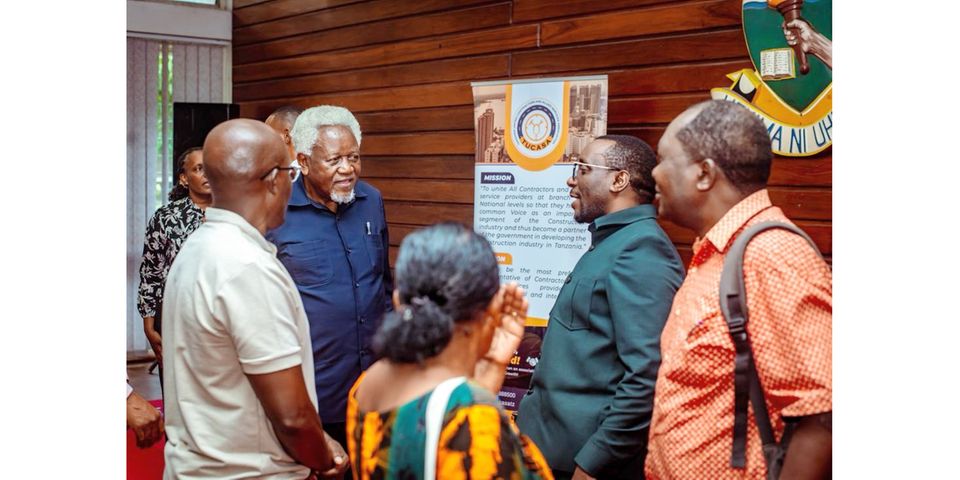
Representing the private sector, Tanzania United Contractors and Allied Services Association (TUCASA) secretary general, Mr Baraka Materu, said the Fourth Five-Year Development Plan seeks to mobilise Sh16 trillion from private investors.
“Sh16 trillion represents more than 68 percent of the projected investment requirement. The government must therefore strengthen investor confidence while ensuring greater participation of local investors,” he said.
The chairman of the Parliamentary Committee for Water and Environment, Mr Jackson Kiswaga, also backed greater private sector participation, saying the government’s more than 1,000 ongoing projects worth Sh4 trillion were struggling to match population growth and climate change pressures.
“In the past, rivers in many villages flowed throughout the year, but today many have dried up because of climate change and environmental degradation,” he said.
Mr Kiswaga cited the success of Tanga’s Sh54 billion green bond as evidence that Tanzanians are willing to invest in infrastructure projects capable of generating returns.
Deputy Minister for Water, Mr Kundo Mathew, said the government had prepared a private sector investment strategy for the 2026/27 financial year to support implementation of the national water grid project.
He said rural water access had reached 85.2 percent, but warned that achieving universal access by 2030 would require financing beyond the central government budget.
“If we depend solely on government funding, the national water grid will remain a dream,” he said.
Mr Mathew invited domestic and foreign investors to participate in developing mini-grids that will form part of the national water network.
Participants at the forum agreed that although Tanzania has established an adequate legal framework for PPPs, unlocking the country’s water potential will depend on transparent implementation, institutional reforms and a national shift in attitudes towards private sector participation.