


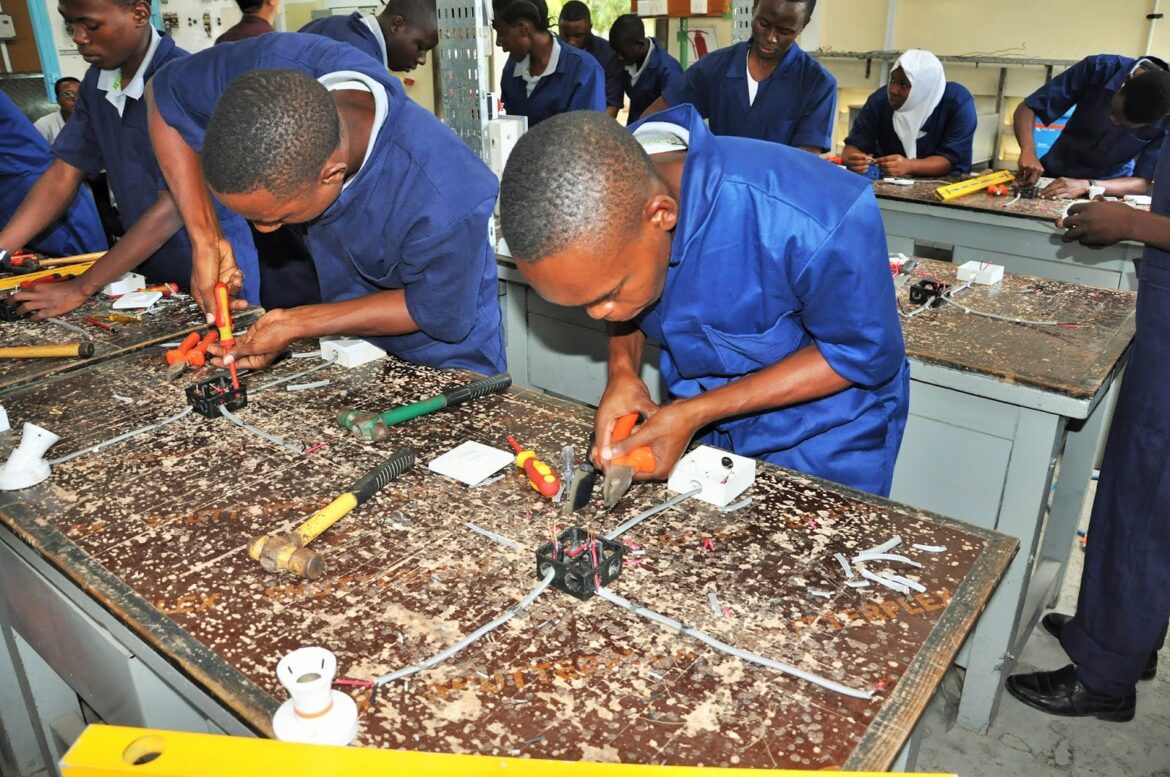
Ofisi ya Veta Kanda ya Dar es Salaam, Chuo cha Chang’ombe, imetangaza fursa za mafunzo bure kwa vijana kupitia Programu ya Mama Samia ya Utambuzi na Urasimishaji wa Ujuzi, hatua inayolenga kuwawezesha wananchi kupata stadi za kazi na kujiajiri.
Kwa mujibu wa tangazo lililotolewa na ofisi hiyo, jumla ya fani 10 zitahusika katika awamu ya kwanza ya programu hiyo huku kila wilaya ya Mkoa wa Dar es Salaam ikitakiwa kuwa na wanafunzi 1,000 watakaonufaika na mafunzo hayo.
Tangazo hilo limewataka wananchi wenye sifa kujitokeza mapema kuwasiliana kupitia namba zilizotolewa ili kupata taarifa zaidi kuhusu usajili na ratiba za mafunzo hayo.
Wilaya zitakazonufaika ni Kigamboni, Ubungo, Ilala, Temeke na Kinondoni.
Tangazo hilo limeeleza kuwa mafunzo hayo yatatolewa bila malipo ikiwa ni sehemu ya jitihada za Serikali ya Awamu ya Sita chini ya Rais Samia Suluhu Hassan za kuwainua vijana kiuchumi kupitia elimu ya ufundi stadi.
Fani zilizotajwa katika programu hiyo ni pamoja na umeme, useremala, ushonaji na teknolojia ya nguo, ufundi magari, ufungaji na utandazaji bomba, pamoja na utengenezaji wa bodi za magari.
Fani nyingine ni uashi, uungaji na uundaji vyuma, uandaaji wa mapishi ya vyakula pamoja na mauzo ya huduma ya chakula na vinywaji.
Hatua hiyo inakuja wakati mahitaji ya ajira na ujuzi wa kazi yakiendelea kuongezeka nchini, huku wataalamu wa maendeleo wakisisitiza umuhimu wa vijana kupata stadi zinazoweza kuwasaidia kujiajiri badala ya kutegemea ajira rasmi pekee.
Baadhi ya wananchi waliozungumza na Mwananchi wameeleza kuwa programu hiyo inaweza kuwa msaada mkubwa kwa vijana ambao hawakupata nafasi ya kuendelea na elimu ya juu.
“Kama hilo litafanyika itakuwa jambo jema kwa sababu vijana wengi wana vipaji lakini wanakosa nafasi za mafunzo kutokana na gharama. Mafunzo haya yatawasaidia kupata kipato,” amesema Hassan Mallya mkazi wa Temeke.
Kwa upande wake, Rehema Mushi, mkazi wa Ubungo, amesema hatua hiyo inaweza kusaidia kupunguza tatizo la ukosefu wa ajira kwa vijana wengi waliomaliza shule lakini hawana ujuzi wa kazi.
“Wapo vijana wengi mtaani wamekaa nyumbani kwa muda mrefu bila kazi. Wakipata ujuzi wa ufundi wanaweza kujiajiri badala ya kusubiri kuajiriwa,” amesema Rehema.
Naye Salum Khamis wa Kigamboni amesema mafunzo hayo yatawasaidia vijana wengi kujenga kujiamini na kuona thamani ya kazi za ufundi ambazo kwa muda mrefu zilionekana hazina hadhi kubwa katika jamii.
“Zamani watu wengi walikimbilia ajira za ofisini pekee, lakini sasa vijana wanaanza kuona hata kazi za mikono zinaweza kuwapa maisha mazuri,” amesema Khamis.
Akizungumzia hilo mchambuzi wa masuala ya ajira na maendeleo ya vijana, Bakari Mwinyi amesema hatua ya kutoa mafunzo bure ni muhimu lakini kuna haja ya kuhakikisha wahitimu wanapatiwa mazingira ya kuendeleza ujuzi wao baada ya mafunzo.
“Mafunzo pekee hayatoshi kama vijana hawatapata mitaji, vifaa au masoko ya kazi. Ni muhimu kuwe na mfumo wa kuwaunganisha na fursa za kiuchumi baada ya kuhitimu,” amesema Mwinyi.
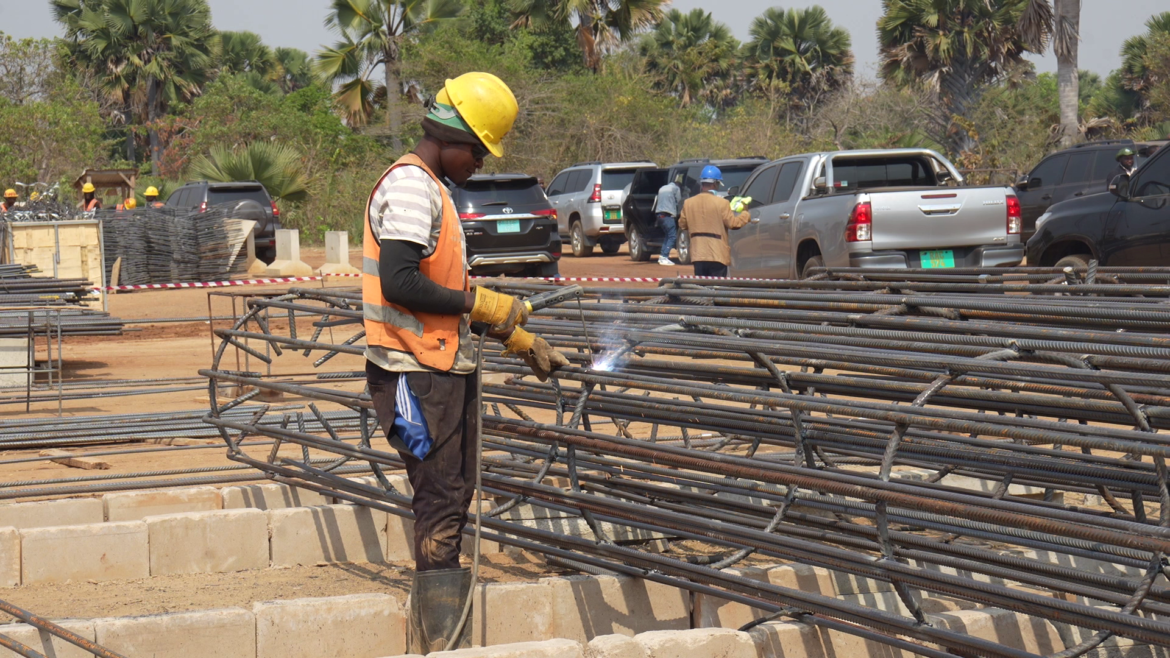
Construction of the extension of the standard gauge railway (SGR) from Makutopora to Isaka recently got a shot in the arm when the government secured a substantial loan to continue with the strategic project implementation.
A bulletin on the website of the Standard and Chartered Bank (UK) of April 28, 2026, had it that: “Standard Chartered arranges $2.33 billion syndicated financing for landmark SGR railway project in Tanzania”.
The bulletin went on: “The financing for SGR Lots 3 and 4 comprises of $1.32 billion Export Credit Agency (ECA) financing signed in 2025 and 2026, and $462 million of long-term financing from commercial banks and Development Finance Institutions, signed in 2023.
Standard Chartered acted as Sole Global Coordinator, Bookrunner, Mandated Lead Arranger, Facility Agent, and Lender for the Ministry of Finance of the United Republic of Tanzania. The ECA facilities are comprised of support from EKN and SEK (of Sweden), KUKE (of Poland), and SACE (of Italy) as the fronting ECAs, with reinsurance from two more ECAs.
The financing for SGR Lot 5 comprises a $559 million Sinosure (the Export Credit Agency of China) Covered Facility, which was drawn in 2025. Standard Chartered acted as Sole Global Coordinator, Bookrunner, Mandated Lead Arranger, Facility Agent, and Lender for the Ministry of Finance of the United Republic of Tanzania.
So, what is syndicated financing? Who are the parties involved? Why go for syndicated loans (instead of, for example, bilateral loans)? Answers to these questions will be useful to all those interested in the intricacies of infrastructure finance, including those studying real estate finance and economics, whose course syllabus includes a subject titled: “Financing Infrastructure Development”.
Syndicated finance involves a group of lenders (collectively called “a syndicate”) coming together to provide a single, large loan to a borrower, managed by lead arrangers.
So, already here we can see that we have three parties: The borrower (the entity receiving the funds); the lenders (the syndicate, that is, the banks providing portions of the loan), and the arrangers (Lead Arranger/Mandated Lead Arranger (MLA), which would be the Structuring bank.
Normally, there is also an Agent or Facility Agent who manages the loan, repayments, and communications between the borrower and lenders.
This structure allows companies to secure large amounts of capital for projects (like SGR, airports, highways, power stations construction, expansion of ports, etc), acquisitions, or refinancing while spreading risk among multiple banks.
It is the solution for loans exceeding one bank’s capacity to lend or risk exposure or tolerance. On the other hand, it offers an opportunity for multiple lenders to form a syndicate to share the risk and seize financial opportunities.
Syndicated loans can be grouped into four categories. One, are the traditional term loans stipulating a repayment schedule having either a fixed or floating interest rate.
Two, revolving credit lines allow the borrower to draw down funds and repay and reborrow as needed. Three, letters of credit (LOCs), which are guarantees provided by lenders to pay off your debt obligations if a company fails to do so.
Four are equipment/acquisition lines, which can be used during a specific period to make acquisitions or purchase assets or equipment.
Syndicated loans have several advantages over traditional bank loans: One is Flexibility: Loans structured with multiple lenders offer various loan types and interest rates, providing greater flexibility with different repayment terms. Besides, they offer customized solutions, such as multi-currency or multi-national transactions.
Two is Efficiency: One loan agreement covers multiple lenders, creating a single, streamlined process for the borrower.
Three, is higher loan amounts: A group of lenders can pool together greater financial resources, allowing borrowers to finance capital-intensive projects (such as the SGR).
Four is Risk Sharing: Syndicated loans distribute risk among multiple financial institutions, allowing for better management of credit exposure
Five is an improved reputation: Borrowers who successfully use and repay a syndicated loan can maintain a positive market image with multiple lenders, making it easier to access credit in the future. For the government, this is an important aspect of managing the public debt.
In the case of SGR, for financing Lots 3 and 4, the borrower is the Government of Tanzania, the syndicate comprises of the Export Credit Agency (ECA), made up of support from EKN and SEK (of Sweden), KUKE (of Poland), and SACE (of Italy) as the fronting ECAs, with reinsurance from two more ECAs. Others are commercial banks and Development Finance Institutions.
For Lot 5, the financing is from Sinosure (the Export Credit Agency of China) Covered Facility. Standard Chartered acts as the Mandated Lead Arranger, Facility Agent, etc.
It is clear that, as a country, we need peace and stability, and a breed of your persons with bright heads to understand the intricacies of infrastructure financing, who can help in structuring syndicated loans for the construction of the badly needed infrastructure in the country.
Timely repayment is also key to getting good terms on the loans.
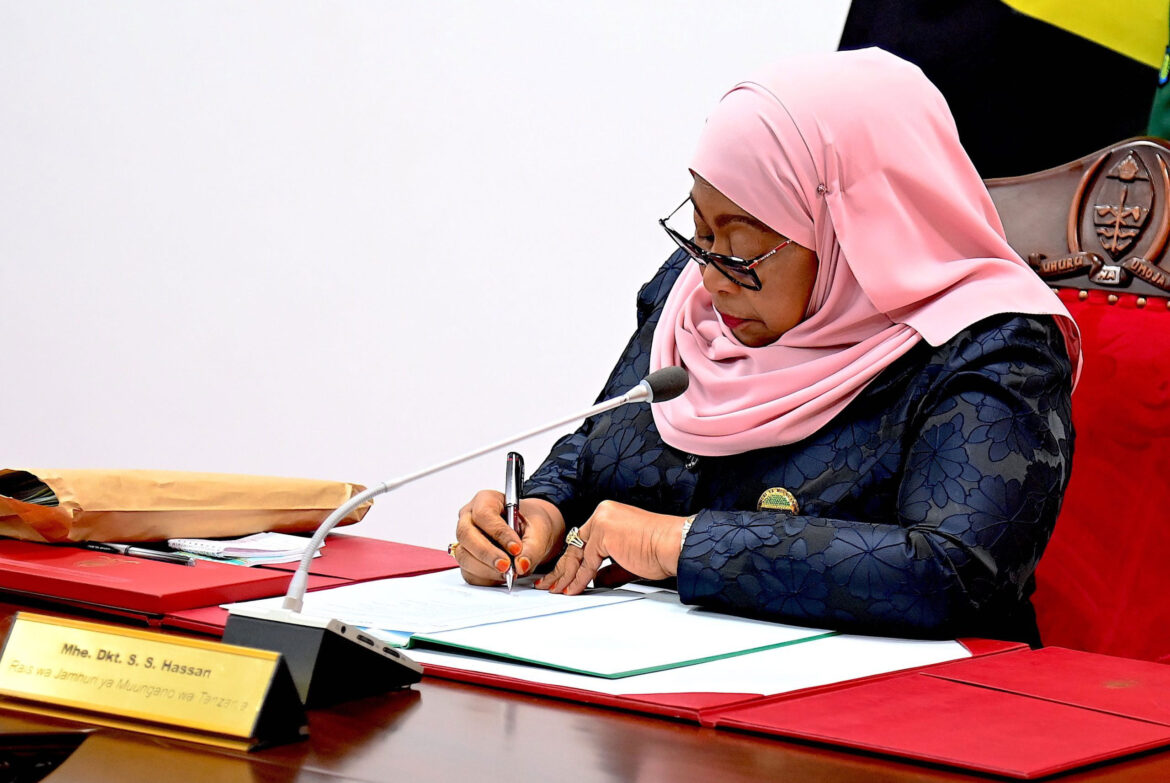
Waziri wa Nchi, Ofisi ya Rais, Menejimenti ya Utumishi wa Umma, Ridhiwani Kikwete, amesema Rais Samia Suluhu Hassan ametoa kibali cha kupandishwa madaraja watumishi wa umma 219,042 nchini, hatua inayolenga kuimarisha motisha na ufanisi katika utumishi wa umma.
Amesema hayo Mei 6, 2026 jijini Arusha wakati akifungua Mkutano wa Pili wa mwaka wa Jumuiya za Wataalamu wa Utawala na Usimamizi wa Rasilimali Watu katika Utumishi wa Umma (AAPAM), Tanzania.
Ridhiwani amewataka maafisa rasilimali watu kuhakikisha wanawasilisha taarifa kwa wakati pale wanapokutana na changamoto katika mchakato wa kupandisha madaraja ili kuepuka ucheleweshaji usio wa lazima.
Amesisitiza umuhimu wa kutenda haki kwa watumishi ili kufanikisha dhamira ya Rais ya kuboresha utendaji na kutoa huduma bora kwa wananchi.
Aidha, amewataka kushughulikia kwa wakati changamoto za barua za uhamisho pamoja na kufuata taratibu rasmi kabla ya kumwondoa mtumishi kazini.
Pia amesisitiza umuhimu wa utoaji wa ushauri nasaha kwa watumishi ili kulinda afya ya akili na kuongeza tija katika utendaji wa kazi.
WIZARA ya Elimu,Sayansi na Teknolojia imepanga kuimarisha elimu ya ufundi na mafunzo ya stadi za kazi kwa kutangaza mpango wa kusajili jumla ya vyuo 263 vya mafunzo ya ufundi stadi.
Hatua hiyo inalenga kupanua wigo wa upatikanaji wa elimu ya ufundi nchini ili kuwafikia vijana wengi zaidi katika maeneo ya mijini na vijijini, kwa lengo la kuwaandaa na ujuzi unaohitajika katika soko la ajira.
Hayo yameelezwa jana bungeni na Waziri wa Wizara hiyo,Prof Adolf Mkenda wakati akiwasilisha mapato na matumizi ya Wizara hiyo Kwa mwaka wa fedha 2026-2027.
Waziri Mkenda alisema Serikali itasajili jumla ya vyuo 263 vya elimu ya ufundi na mafunzo ya ufundi stadi, hatua inayolenga kupanua wigo wa elimu ya ufundi katika maeneo mbalimbali ya nchi.
Alisema kati ya hivyo, vyuo vya elimu ya ufundi vitakuwa 45, huku vyuo vya mafunzo ya ufundi stadi vikifikia 1,066, na shule za sekondari za amali 267.
Prof Mkenda alisema usajili wa vyuo hivyo utaenda sambamba na uboreshaji wa miundombinu ya mafunzo na vifaa vya kisasa ili kuhakikisha wanafunzi wanapata elimu ya vitendo inayokidhi mahitaji ya sekta mbalimbali.
Aidha, mpango huo unatarajiwa kuongeza fursa za ajira, kujiajiri na kuchochea maendeleo ya uchumi wa viwanda kupitia nguvu kazi yenye ujuzi na ubunifu.
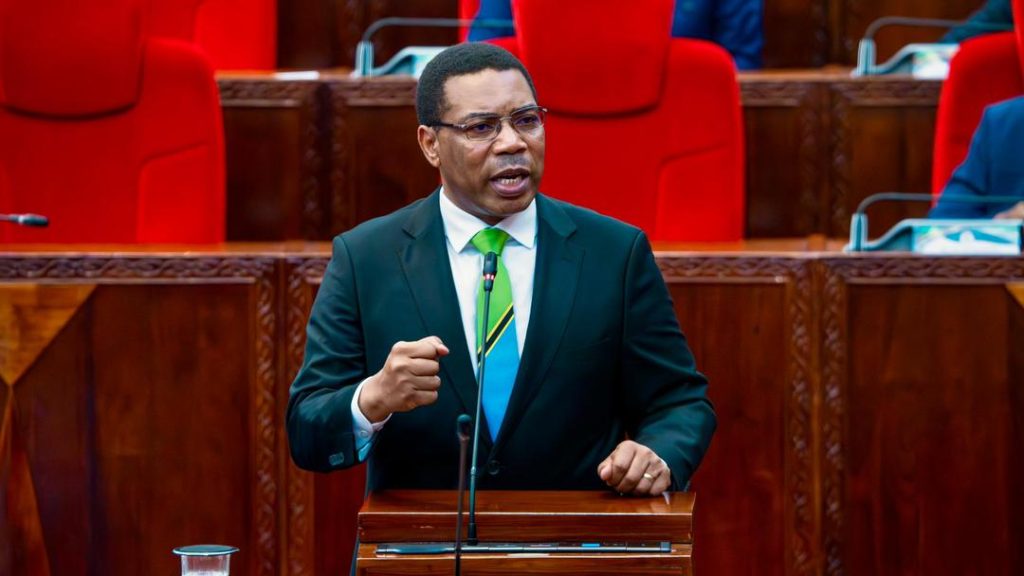
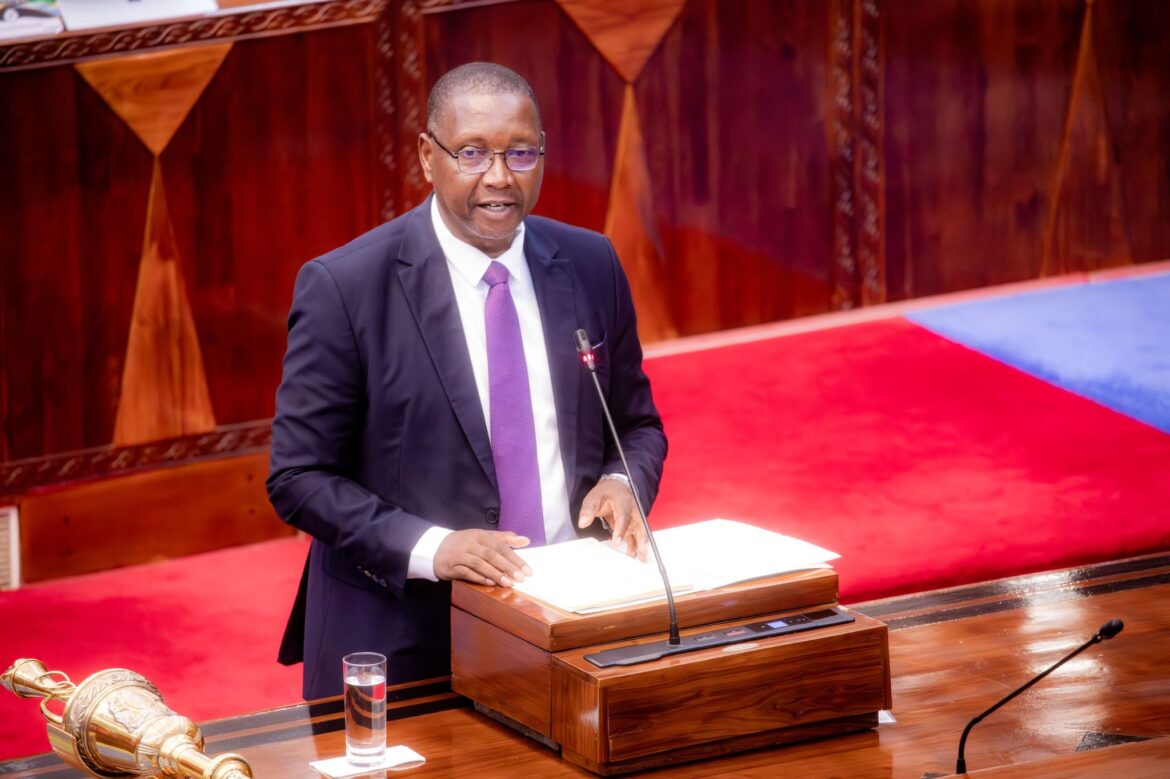
Waziri Mkuu, Dkt. Mwigulu Nchemba amesema Serikali imeendelea kuchukua hatua mbalimbali kuhakikisha upatikanaji wa mafuta nchini unaendelea kuwa wa uhakika na bidhaa hiyo haiadimiki.
Akijibu swali la Mbunge wa Viti Maalum, Janeth Mahawanga Bungeni jijini Dodoma, aliyetaka kujua hatua zilizochukuliwa na Serikali katika kukabiliana na athari za migogoro ya kimataifa na kidunia zilizopelekea changamoto ya mafuta nchini.
“Hatua ya kwanza ambayo Serikali imechukua ni kuhakikisha bidhaa hii haiadimiki. Zipo nchi ambazo tayari matatizo yameshajitokeza ya bidhaa hiyo kuadimika, hata kama una fedha hupati mafuta,” amesema Dkt. Nchemba.
Waziri Mkuu amesema Serikali imeanza taratibu za kuweka ruzuku ili kupunguza makali ya athari zinazotokana na hali inayoendelea Mashariki ya Kati.
Aidha, amesema Serikali imekaa na kuwasikiliza wadau mbalimbali, wakiwemo wadau wa usafirishaji, kwa lengo la kujadiliana namna ya kudhibiti ongezeko la gharama za usafirishaji.
“Tulikubaliana na wasafirishaji kupunguza baadhi ya gharama zinazotokana na hatua zinazochukuliwa na Serikali ambazo kimsingi si za lazima. Mfano, ulikuwepo uratibu wa mabasi yote ya mikoani kupita kila stendi, tumesema hakuna ulazima wa basi kupita kila stendi,” amesema Waziri Mkuu.
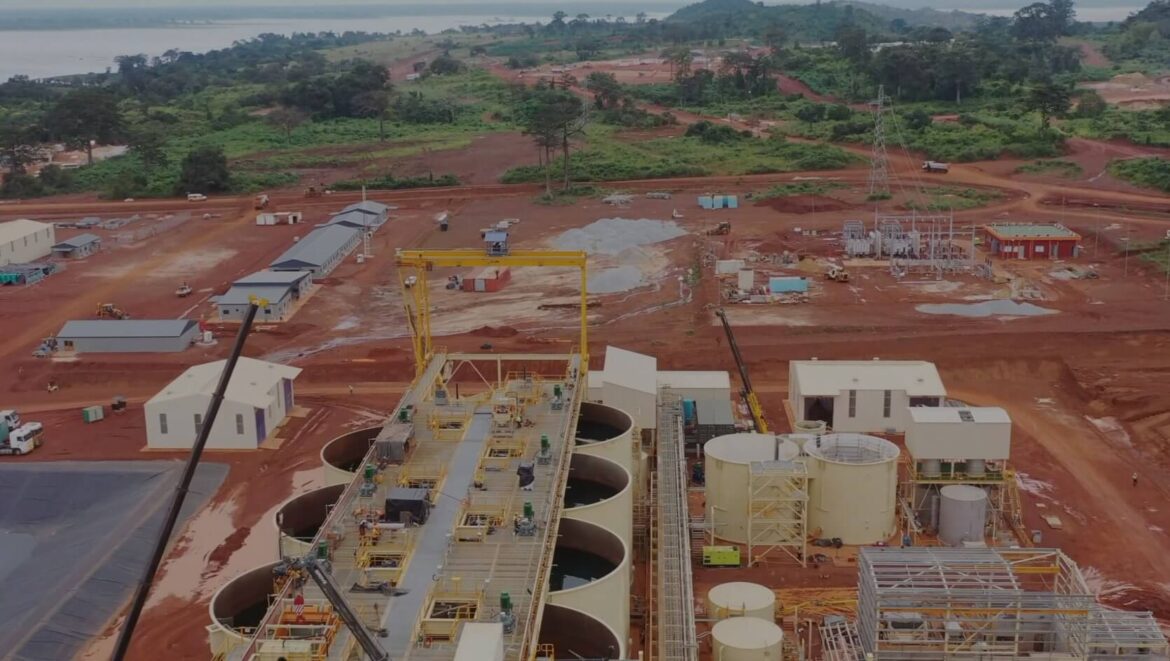
President Dr. Samia Suluhu Hassan recently advanced the landmark $523 million (1 trillion TZS) Nyanzaga Gold Mine project during talks with Perseus Mining Limited.
Located in Mwanza, it will be Tanzania’s first major new gold mine in 20 years, with production slated to begin in early 2027.
The project guarantees substantial national revenue, with the Tanzanian Government holding a 20% stake.
Recent discoveries increased gold reserves by 73% to 4.0 million ounces, extending the mine’s lifespan to 16 years. Production will peak at an impressive 250,000 ounces annually by 2028.
President Samia explicitly directed that this wealth must directly uplift Tanzanians.
The mine will generate local employment, integrate local businesses into its supply chain, and fund key community projects. Furthermore, modern housing for relocated citizens is already nearing completion.
Praising Tanzania’s improved investment climate, Perseus Mining committed to bringing major technological advancements to the sector.
The President reaffirmed the government’s readiness to support strategic investors to unlock economic opportunities for all citizens.
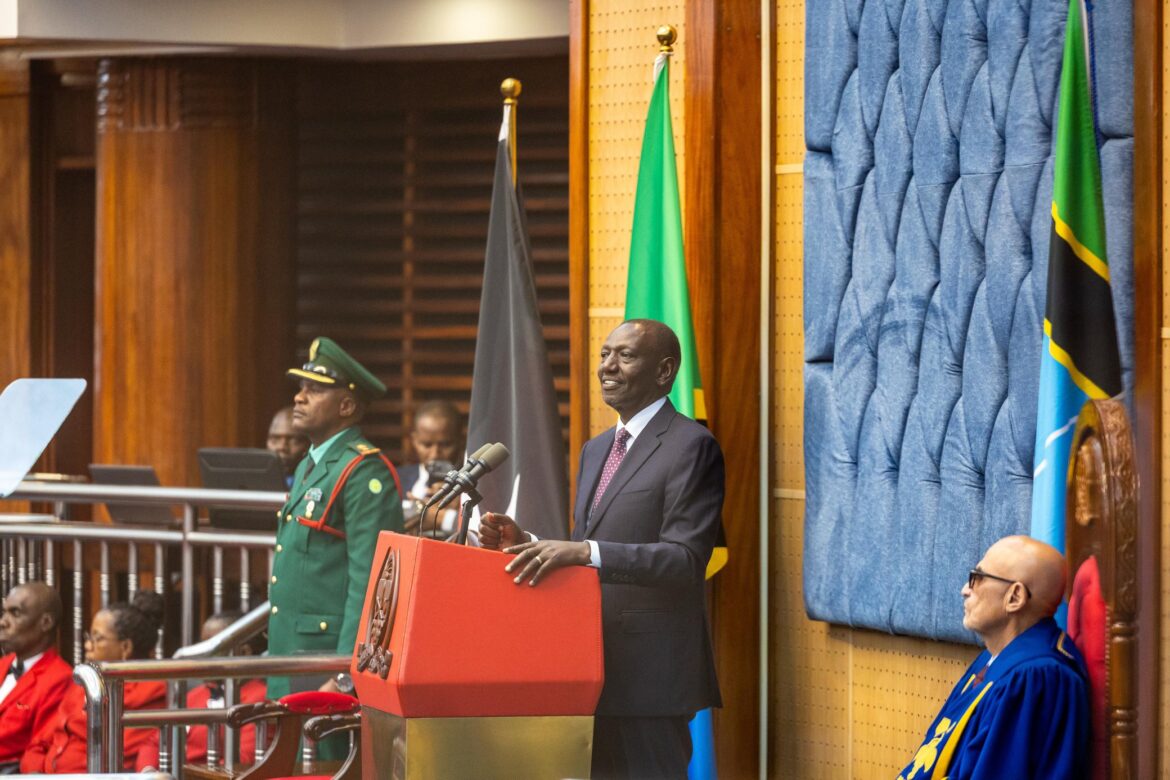

Kenyan President William Ruto has said that the construction of a regional oil refinery by Tanzania, Kenya and Uganda will reduce fuel costs and create jobs across East Africa.
Addressing the Tanzanian Parliament in Dodoma on Tuesday, May 5, 2026, Ruto said the three countries could jointly refine oil within the region, rather than relying heavily on imported fuel.
He said the idea emerged from discussions with Ugandan President Yoweri Museveni on how best to maximise the benefits of oil resources discovered in East Africa.
“Tanzania, Kenya, and Uganda, if we unite, we can build a refinery where we process oil here in Tanga, and we will generate income and jobs for our people,” he said.
Ruto stressed that such a project would reduce dependence on external fuel supplies, strengthen regional economies, and expand employment opportunities for citizens across the three countries.
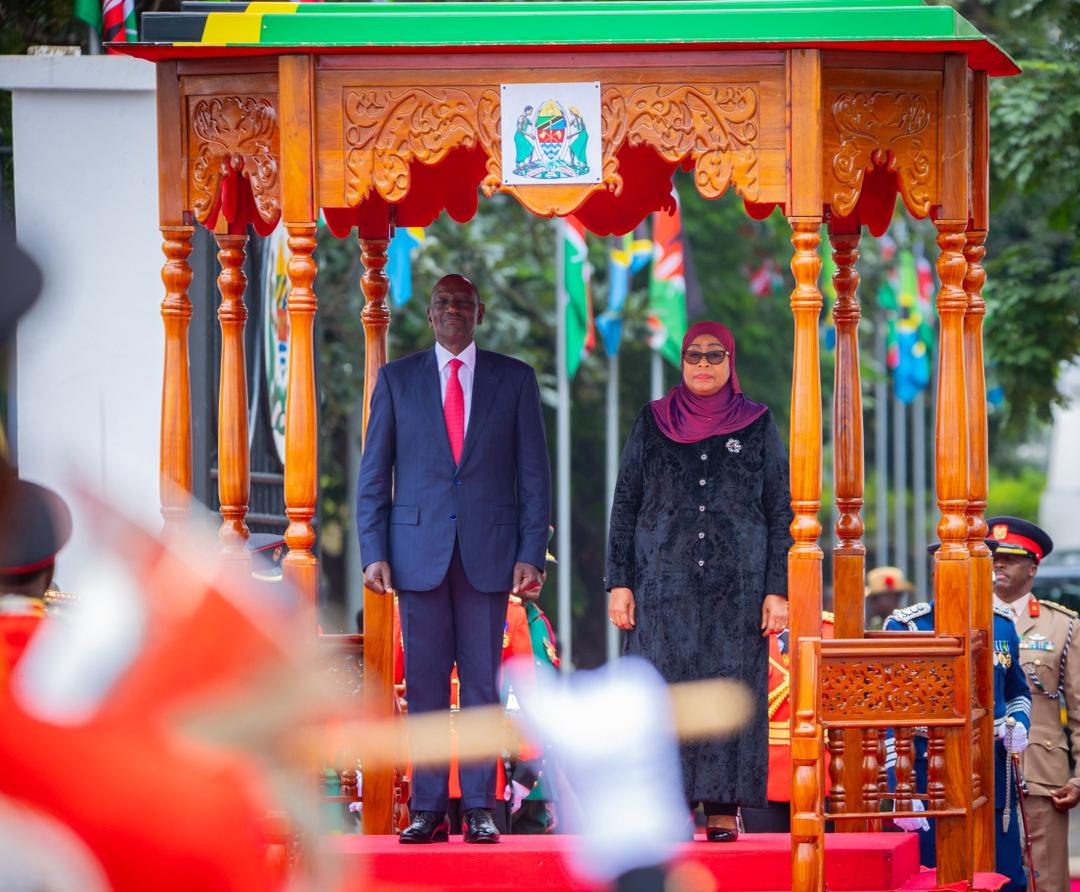
Kenyan President William Ruto has commended Tanzanian President Samia Suluhu Hassan for her strong leadership, saying their close cooperation has helped strengthen unity in East Africa.
Addressing the Parliament of the United Republic of Tanzania in Dodoma on Tuesday, May 5, 2026, Ruto said he takes pride in the growing partnership between the two leaders during what he described as a historic period for both nations.
He noted that their collaboration has played a key role in bringing the people of East Africa closer together and advancing regional integration.
“Honourable Members of Parliament, let me commend President Samia Suluhu Hassan for her exemplary leadership. I am proud that my sister, President Samia, and I are working closely at this important time in the history of our two nations to unite the people of East Africa,” he said.
Ruto emphasised that continued cooperation between Tanzania and Kenya would further strengthen regional ties and unlock new opportunities for development.