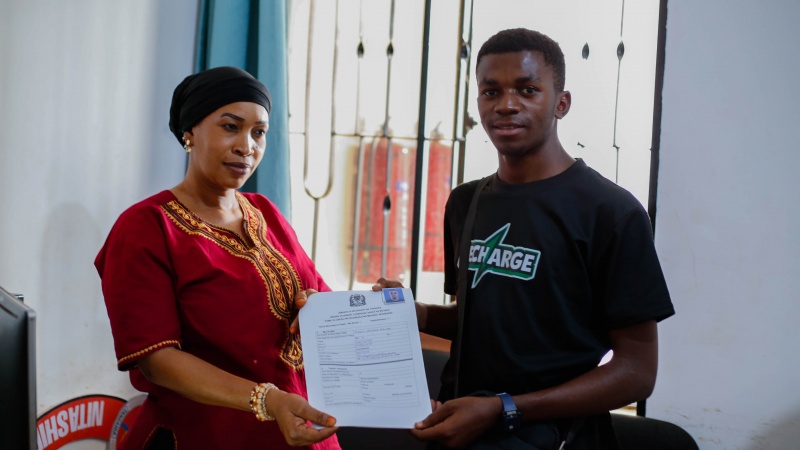
Madereva watakaofaulu katika mafunzo haya watapata fursa ya ajira katika mradi wa mabasi yaendayo haraka (BRT). Hata hivyo, vigezo na masharti ya ajira hizo yatazingatiwa.
64bdda2b7d984ddb89750c2fee32f9ed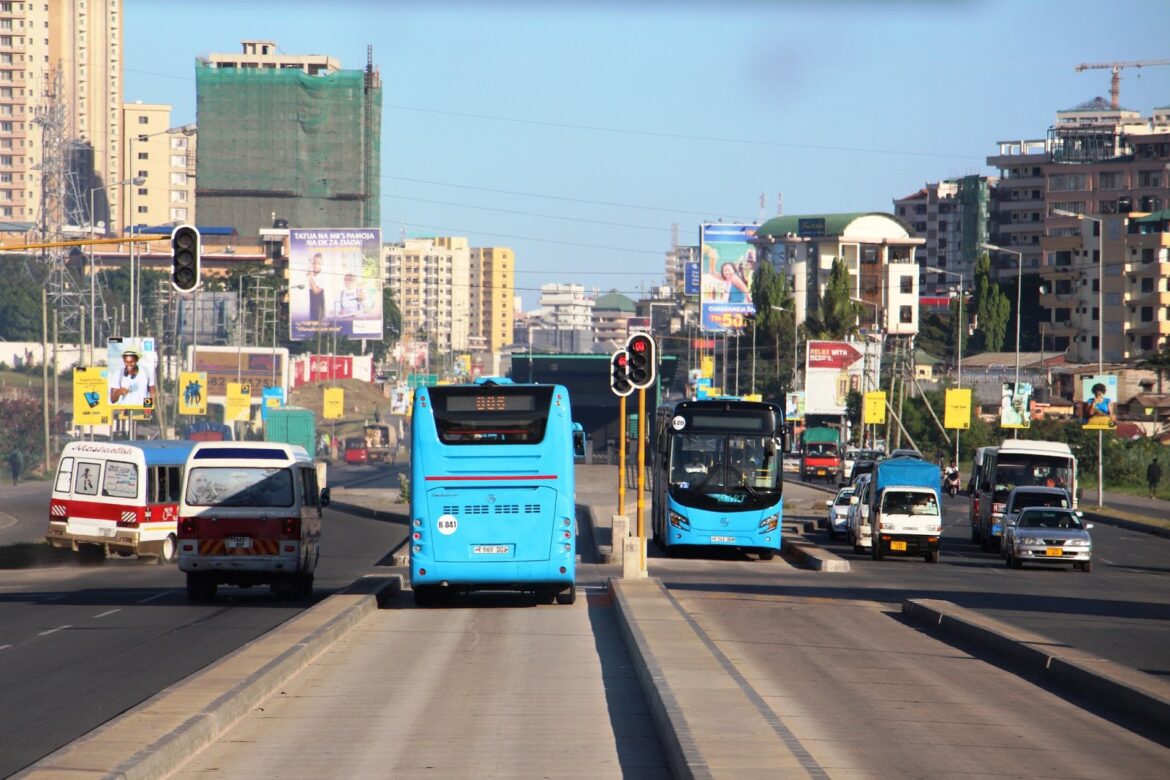


Madereva watakaofaulu katika mafunzo haya watapata fursa ya ajira katika mradi wa mabasi yaendayo haraka (BRT). Hata hivyo, vigezo na masharti ya ajira hizo yatazingatiwa.
64bdda2b7d984ddb89750c2fee32f9ed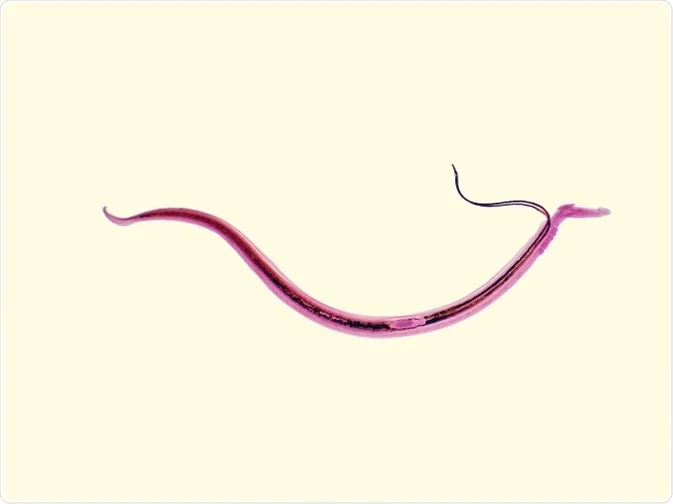
Mwanza: THE Ministry of Health, in collaboration with the National Institute for Medical Research (NIMR), plans to expand research on medicines for treating schistosomiasis in children under five to further assess the drug’s usage and pricing so that once it is officially registered, citizens can afford it.
The Permanent Secretary in the Ministry of Health, Seif Shekalaghe, said this during the launching of a schistosomiasis research workshop in Mwanza, noting that studies have shown that children under five can contract schistosomiasis.
Elaborating, the PS noted that previously they were not aware that schistosomiasis could infect children under five, and there were no specific medicines for the age group, but now, the research has helped them identify a drug that can be used to treat them.
Additionally, he said that the drug is expected to enter further research stages after being proven effective and safe.
“Current efforts focus on expanding research to determine a price that will be affordable for citizens,” he said.
He also noted that the drug has already been registered under the Tanzania Medicines and Medical Devices Authority (TMDA), although it has not yet been included in the Ministry of Health’s official treatment guidelines.
Moreover, Mr. Shekalaghe said that the government continues taking preventive measures against schistosomiasis by educating communities and distributing preventive treatment drugs to children aged six and above.
“The government has developed a strategy to provide medicine to children under five through this research. Once the study is completed, the drug will be incorporated into treatment guidelines to protect these children from schistosomiasis, ultimately contributing to a healthier nation,” he said.
Furthermore, he urged experts to closely supervise the research to ensure credible and beneficial results for citizens, while also encouraging communities to continue taking preventive measures against the disease.

Dar es Salaam. The diplomatic bond between Tanzania and India is a storied narrative spanning over six decades.
Rooted in a shared history of colonial struggle, the relationship has evolved from a mutual quest for sovereignty into a strategic partnership defined by massive economic potential.
As India’s global influence surges, Tanzania finds itself at a crossroads where historical sentiment must meet modern economic pragmatism.
The seeds of this partnership were sown even before Tanganyika’s independence. Under its first Prime Minister, Jawaharlal Nehru, India opened its embassy in Dar es Salaam in November 1962.
This early gesture laid the groundwork for a relationship that expanded significantly following the 1964 union of Tanganyika and Zanzibar.
The ideological alignment between the Father of the Nation, Mwalimu Julius Nyerere, and Mr Nehru was profound.
Both leaders championed the separation of religion from politics, campaigned tirelessly against all forms of discrimination, and stood as a united front against the vestiges of colonialism and the inequities of the global South.
A legacy of high-level diplomacy
This mutual respect was cemented through frequent high-level state visits. Mwalimu Nyerere visited India seven times during his presidency (1971, 1976, 1981, 1982, 1983, 1984, and 1985).
Subsequent Tanzanian leaders followed suit: Mr Ali Hassan Mwinyi visited twice (1989 and 1993), Mr Benjamin Mkapa in 2002, and Mr Jakaya Kikwete in 2008 and 2015.
Notably, every Tanzanian Head of State has visited the Asian giant, except the late Dr John Magufuli. India has consistently reciprocated this interest.
From President V.V. Giri in 1972 to Prime Minister Narendra Modi in 2016, a steady stream of Indian dignitaries has graced Tanzanian soil, reinforcing bilateral ties.
Recognition of Tanzania’s leadership was also formalised through prestigious international awards; Mwalimu Nyerere received the Jawaharlal Nehru Award for International Understanding in 1974 and the Gandhi Peace Prize in 1995 for his role in achieving independence and regional stability without bloodshed.
A shifting global paradigm
Whereas the 1960s through the 1980s were marked by a shared struggle against Western imperialism, the third decade of the 21st century presents a markedly different landscape.
India is no longer merely a “developing partner” but a rising, prosperous global titan.
According to projections by PricewaterhouseCoopers (PwC), the global economic hierarchy is set for a dramatic shift.
By 2050, Western dominance is expected to wane, with China and India projected to take the first and second spots, respectively, in terms of global economic size (GDP at PPP).
Currently, International Monetary Fund (IMF) data places India as the world’s fifth-largest economy, trailing only the US, China, Japan, and Germany.
However, when measuring Purchasing Power Parity (PPP), the IMF recognises India’s rapid ascent as already closely following China.
PwC forecasts that by 2050, the “E7” (emerging economies) will dominate the global stage. The projected top five, China, India, the US, Indonesia, and Brazil, highlight a world where Tanzania’s traditional allies in the West will share the stage with rising giants in the East and South.
The Indian opportunity for Tanzania
For Tanzania, the message is clear: the country must deepen its engagement with these emerging powers while maintaining strong relations with traditional partners such as the UK, US, and Japan. India offers a particularly compelling blueprint for socio-economic development.
As the world’s most populous nation, surpassing 1.4 billion people in April 2023, India is lifting an average of 130 million citizens into the middle class every decade.
A World Bank report further identifies India as the world’s sixth-largest buyer of raw materials, presenting a massive, hungry market for Tanzanian agricultural and mineral exports.
Beyond trade, Tanzania stands to gain from India’s “knowledge of transformation.”
If India can lift hundreds of millions out of poverty while maintaining its status as the world’s largest democracy, Tanzania, with a population of approximately 62 million, has every reason to believe it can eliminate extreme poverty within a few decades by adopting similar digital and industrial strategies.
Looking ahead to 2050
The geographical proximity, with only the Indian Ocean separating the two nations, makes India a “natural neighbour” for the East African Community (EAC) powerhouse.
As India approaches its global economic peak over the next 30 years, Tanzania must ensure its own development goals are tethered to this promising trajectory.
By aligning its diplomatic and economic policies with the realities of the 2050 forecast, Tanzania can transition from a historical ally to a modern partner in prosperity.
The focus must shift toward technology transfer, healthcare collaboration, and industrial processing to ensure that the next 60 years of the relationship are as productive as the first 60 were.
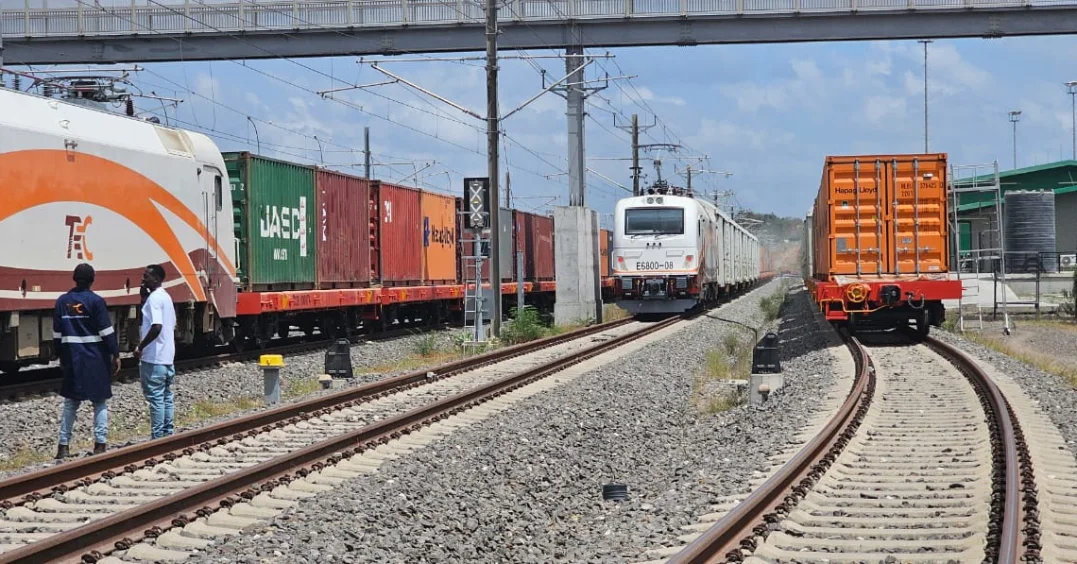
Shirika la Reli Tanzania (TRC) limeanza usafirishaji wa makasha ya mizigo kwa kutumia reli ya kisasa (SGR), hatua inayolenga kupanua wigo wa biashara, kupunguza msongamano wa mizigo bandarini na kurahisisha usafirishaji wa mizigo kwenda mikoa ya kati ya nchi.
Akizungumza wakati wa kuanza safari ya treni ya kwanza ya makasha kutoka Pugu kuelekea Ihumwa mkoani Dodoma, Kaimu Mkurugenzi wa Usafirishaji wa TRC, Focus Makoye Sahani amesema treni hiyo inasafiri umbali wa takribani kilometa 420 kutoka Dar es Salaam.
Amesema hatua hiyo ni mwanzo wa usafirishaji wa makasha baada ya TRC kuanza kusafirisha abiria pamoja na mizigo mbalimbali ikiwemo kichele kuanzia Julai 2024, pamoja na saruji inayopakiwa Pugu.
“Leo tumeongeza wigo wa biashara kwa kupakia makasha. Kama mnavyoona, treni yetu ya kwanza ya makasha kwenda Ihumwa, Dodoma, leo imeanza safari zake na tuna ofa ya kutosha kutoka kwa mteja wetu wa kwanza,” amesema Sahani.
Ameeleza kuwa treni hiyo ina mabehewa 50 yanayobeba jumla ya makasha 100, huku mteja wa kwanza, GSM, akitoa ofa ya kuanzia kwa huduma hiyo.
Kwa mujibu wa Sahani, TRC imeanza upakiaji wa makasha katika eneo la Pugu, huku ikifanya maboresho ya miundombinu ikiwemo Malindi Yard karibu na eneo la Gerezani ili kuimarisha shughuli za upakiaji wa makasha.
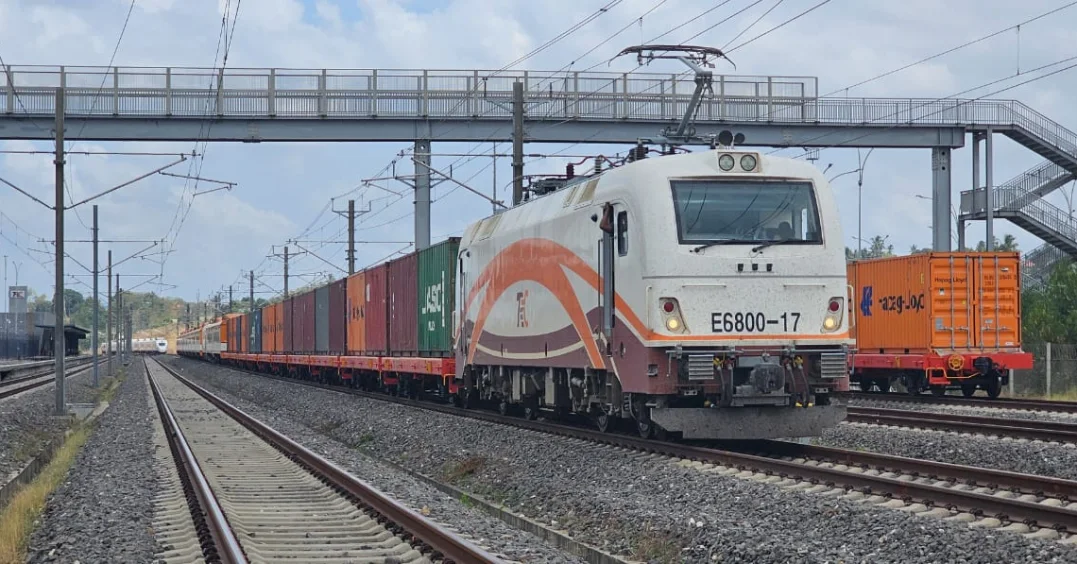
Dar es Salaam. The Tanzania Railways Corporation (TRC) has officially launched container transportation services on the Standard Gauge Railway (SGR), marking a major milestone in expanding its commercial operations, reducing port congestion and improving cargo transport to central regions of the country.
Speaking during the inaugural container train departure from Pugu to Ihumwa in Dodoma Region, TRC acting director of transport services, Mr Focus Sahani, said the train covers approximately 420 kilometers from Dar es Salaam.
He noted that the launch builds on TRC’s earlier rollout of passenger and freight services, including the transportation of rice since July and cement loaded at Pugu.
“Today, we have expanded our business scope by introducing containerized cargo services. As you can see, our first container train to Ihumwa, Dodoma, has officially commenced operations, and we have received strong commitment from our first client,” said Mr Sahani.
The inaugural train comprises 50 wagons carrying a total of 100 containers. The first client, GSM Group, supplied the initial cargo for the new service.
According to Mr Sahani, container loading operations are currently underway at Pugu, while infrastructure upgrades continue at Malindi Yard near the Gerezani area to further enhance container-handling capacity.
He explained that the initiative aligns with the director general’s directive to establish Inland Container Depots (ICDs) in Morogoro and Ihumwa, a move expected to significantly ease congestion at the port.
“We will have an ICD in Morogoro, located 193 kilometers from Dar es Salaam, where customers transporting goods to Mbeya and Iringa will be able to collect their cargo. Additionally, there is the Ihumwa ICD,” he said.
Mr Sahani said that the journey to Morogoro is short and efficient, while cargo destined for Dodoma will be offloaded at the Ihumwa ICD, which is equipped with adequate space and infrastructure to handle container operations effectively.
He urged traders and business operators to utilize railway transport to reduce reliance on trucks operating between Dar es Salaam and Dodoma, emphasizing that the SGR provides a cost-effective, safe and efficient alternative.
This marks the first time TRC has deployed container carrier wagons since launching SGR freight services on June 27, 2026.
TRC received a total of 264 SGR freight wagons in December 2024, including 200 container carrier wagons and 64 designated for loose cargo transportation.
Waziri wa Habari, Utamaduni, Sanaa na Michezo, Paul Makonda ameelekeza mchakato wa fedha shilingi bilioni 2 za Watengeneza Maudhui kukamilika ndani ya mwezi huu wa pili na kuanza kugawiwa Machi, 2026.
Ametoa agizo akizungumza na waandishi wa habari jijini Dar es Salaam, akisisitiza kuwa fedha hizo zimetengwa kwa ajili yao ikiwa ni mapenzi ya dhati ya Rais Dkt. Samia Suluhu Hassan ya kutambua mchango wao katika kujipatia kipato na ajira.
View this post on Instagram
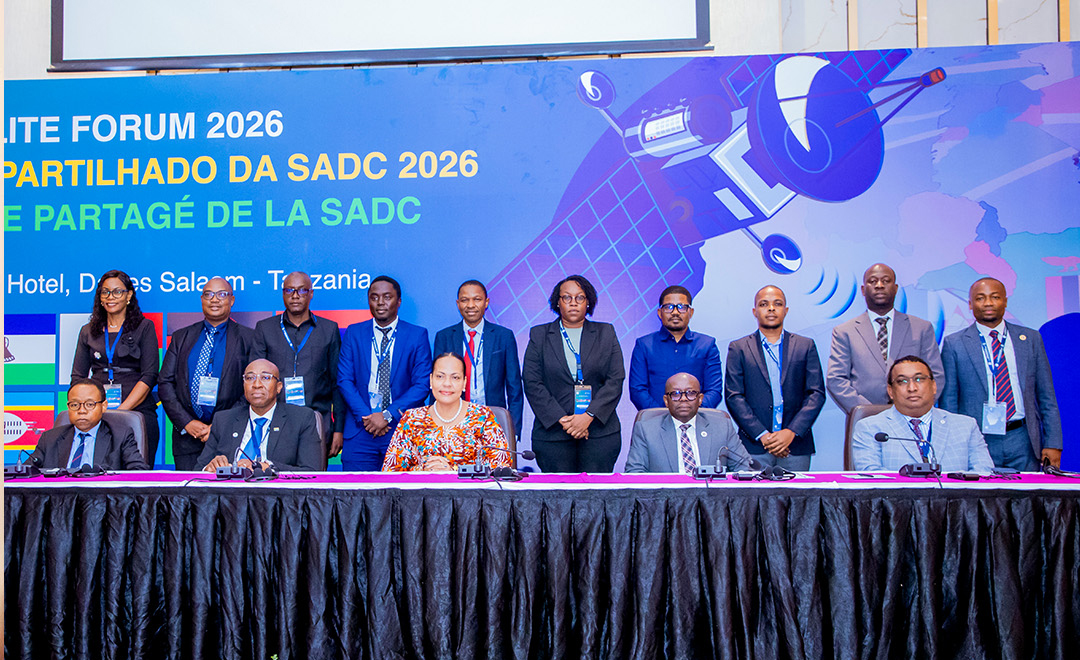
Dar es Salaam: Tanzania imeandika historia kwa kuwa mwenyeji wa Jukwaa la Satelaiti ya Pamoja la SADC 2026, mkutano wa siku tano unaowakutanisha wataalamu wa anga na satelaiti kutoka nchi wanachama wa Jumuiya ya Maendeleo Kusini mwa Afrika (SADC).
Mkutano huo umeanza rasmi tarehe 16 Februari 2026 na utahitimishwa tarehe 20 Februari 2026, ukiwa ni hatua muhimu kuelekea kuifanya kanda ya SADC kuwa kinara wa teknolojia za satelaiti na uchumi wa anga barani Afrika.
Nchi za SADC zimejipanga kuanzisha Satelaiti ya Pamoja, itakayokuwa chachu ya maendeleo katika mawasiliano, usimamizi wa majanga, ufuatiliaji wa hali ya hewa, kilimo cha kisasa na upanuzi wa huduma za mtandao, hususan vijijini. Hatua hiyo inalenga kupunguza pengo la kidijitali na kuimarisha uhuru wa kiteknolojia wa ukanda.
Mkutano huo wa kimkakati katika kuimarisha uwezo wa kikanda na kuhakikisha SADC inakuwa mshindani katika uchumi wa anga wa kimataifa umewakutanisha wataalamu wa kiufundi, watunga sera na washirika wa kimataifa, wakiwemo Shirika la Kimataifa la Mawasiliano (ITU) na Baraza la Umoja wa Mawasiliano Afrika (ATU), kwa lengo la kujadili maono ya sera kuwa utekelezaji wa vitendo na matokeo yanayoonekana.
Tanzania imesema itaendelea kushirikiana kwa karibu na nchi wanachama na wadau wa kimataifa kuhakikisha mpango wa Satelaiti ya Pamoja unatekelezwa kwa mafanikio.
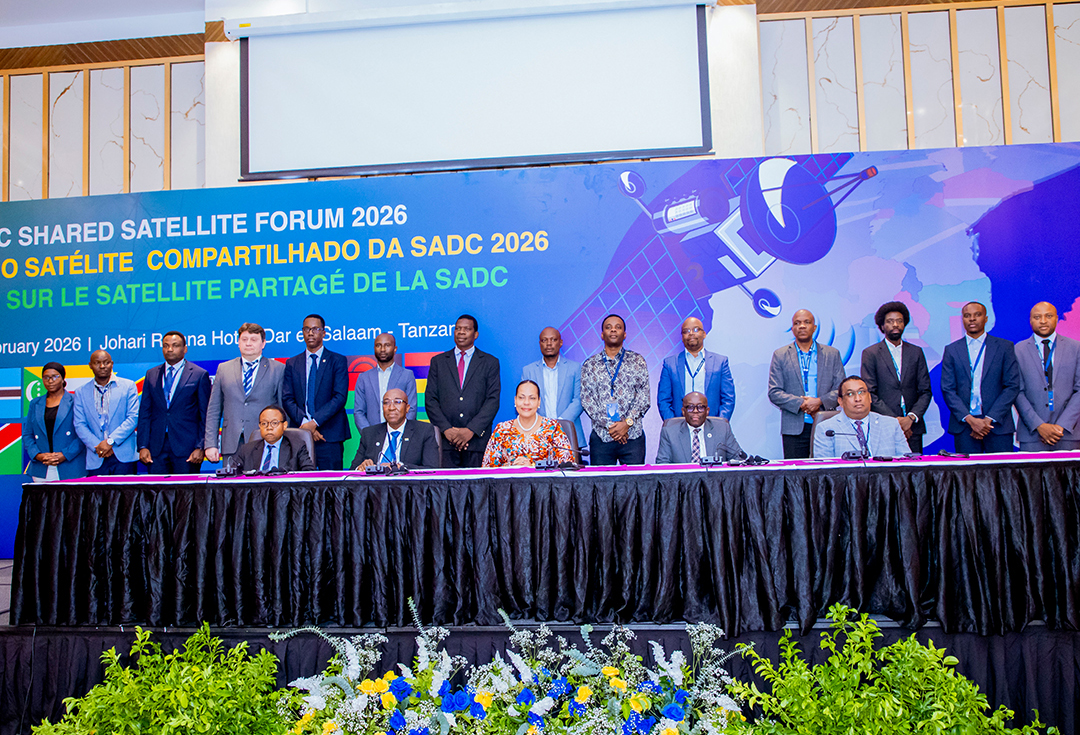
DAR ES SALAAM: Tanzania has made history by hosting the 2026 SADC Joint Satellite Forum, a five-day summit running from February 16–20, bringing together space and satellite experts from SADC member states to position the region as a leader in satellite technology and Africa’s space economy.
According to the Tanzania Communications Regulatory Authority (TCRA), member states are advancing plans to launch a Joint Satellite aimed at boosting communications, disaster management, weather monitoring, modern agriculture and rural internet expansion, while closing the digital divide and strengthening technological independence.
The forum has convened technical experts, policymakers and international partners, including the International Telecommunication Union (ITU) and the African Telecommunications Union (ATU), to turn policy commitments into measurable actions.
Opening the summit, Minister for Communications and Information Technology Angellah Kairuki described it as a strategic step to enhance regional capabilities, expand services to underserved areas, and improve disaster preparedness.
TCRA Director General Dr Jabiri Bakari reaffirmed commitment to close collaboration with member states and global stakeholders, noting the forum marks a shift from dialogue to concrete implementation, giving SADC a stronger voice in the global space arena.
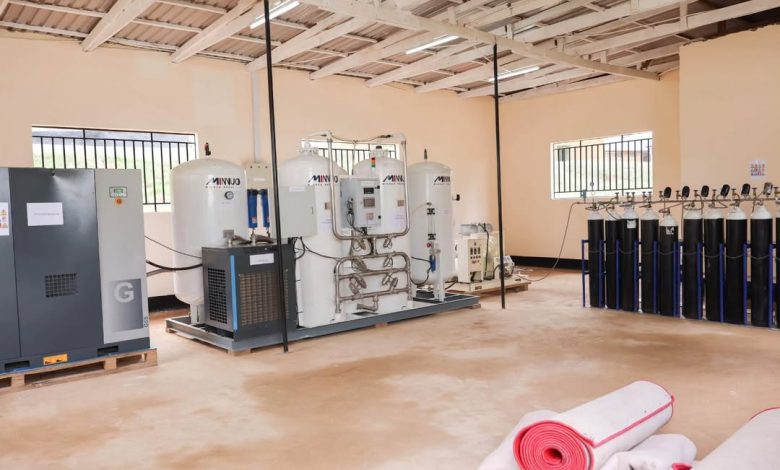
Lushoto, Tanga: Prime Minister, Mwigulu Nchemba, has launched an oxygen medical gas production equipment worth 526.8bn/- and demanded that every shilling allocated for development projects be used for its intended purpose.
Speaking shortly after the launch of the oxygen medical gas production equipment at Lushoto District Hospital in Tanga Region on Tuesday, the Prime Minister said that the government will not tolerate situations where responsible public officials fail to monitor the use of funds.
According to the PM, the conduct leads to projects not being implemented to the required standards and quality for the benefit of citizens as intended.
The project has the capacity to produce 120 cylinders of 50 kilograms per day, significantly improving access to this essential service.
Moreover, the equipment has enabled the local council to stop transporting oxygen cylinders to Tanga City, about 175 kilometres away, for refilling, and so far, the plant has produced 1,440 medical oxygen cylinders (50kg) and 200 cylinders of 15kg.
Additionally, the Premier also urged public servants to properly fulfil their responsibilities, noting that no form of laziness will be acceptable from public servants.
“It is improper for a government official to normalise citizens’ problems. Some officials treat citizens’ concerns like greetings, and as a result, problems pile up,” he said.
Zaidi ya wasichana 13,000 wenye umri kati ya miaka 13 na 21 waliokatisha masomo ya sekondari kwa sababu mbalimbali wamejisajili na kurudi shuleni kupitia Mradi wa Kuboresha Elimu ya Sekondari kwa Njia Mbadala (SEQUIP-AEP) ulioanza mwaka 2022 na kufikia mwaka 2026.
Watoto hao waliokatisha masomo kutokana na sababu mbalimbali zikiwemo mimba za utotoni, ajira za watoto, kuolewa kabla ya wakati na hali za kiuchumi za familia, sasa wanaendelea na masomo ya kidato cha tano na sita, vyuo vya kati na vyuo vikuu.