
Habari
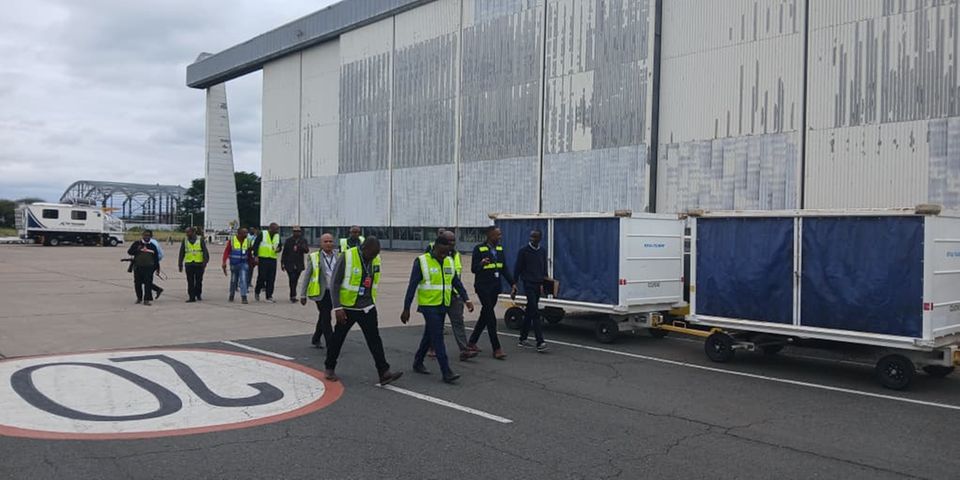
Tanzania facilitates overseas jobs for its 7,593 citizens as it enhances efforts to secure more
THE Tanzanian government said it has successfully facilitated employment opportunities abroad for 7,593 Tanzanians, while efforts are ongoing to secure more positions in the international job market.
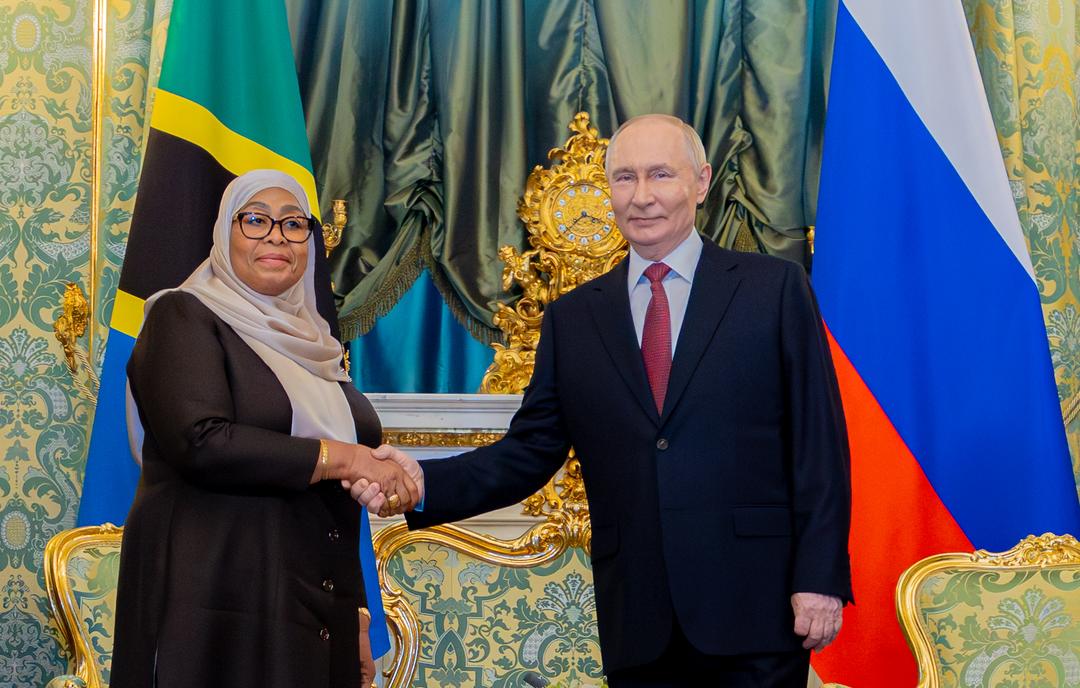
The statement was made by President Samia Suluhu Hassan while speaking during the 2026 International Workers’ Day celebrations held nationally in Njombe Region.
President Samia said that despite the progress achieved, there is still a need to establish clear systems and strong oversight for Tanzanians seeking employment abroad to ensure their rights and interests are fully protected.
She also commended the Trade Union Congress of Tanzania (TUCTA) for establishing a special unit to handle matters related to overseas employment, noting that the initiative will help improve coordination and protection of workers.
In addition, the President stated that the government has so far created 12,000 jobs domestically as part of its strategy to address unemployment and improve citizens’ welfare.
Meanwhile, some employees from various institutions and organizations were awarded certificates and prizes by President Samia Suluhu Hassan in recognition of their contributions to national development.
President Samia presented the awards to workers identified as top performers in their respective workplaces, emphasizing the importance of diligence, integrity, and professionalism in driving the country’s development.
TANZANIA is set to host President of Rwanda Paul Kagame and President of Kenya William Ruto, a move that is expected to strengthen diplomatic ties, boost trade and deepen regional cooperation.
According to a statement issued yesterday by the Ministry of Foreign Affairs and East African Cooperation, President Paul Kagame of Rwanda will carry out a one-day working visit in the country tomorrow, while President William Ruto will undertake a two-day State Visit from May 4 to 5, 2026.
The ministry said the visits are expected to create new opportunities for strategic cooperation between Tanzania and the two neighbouring countries, while also reinforcing regional solidarity and economic integration within the East African Community.
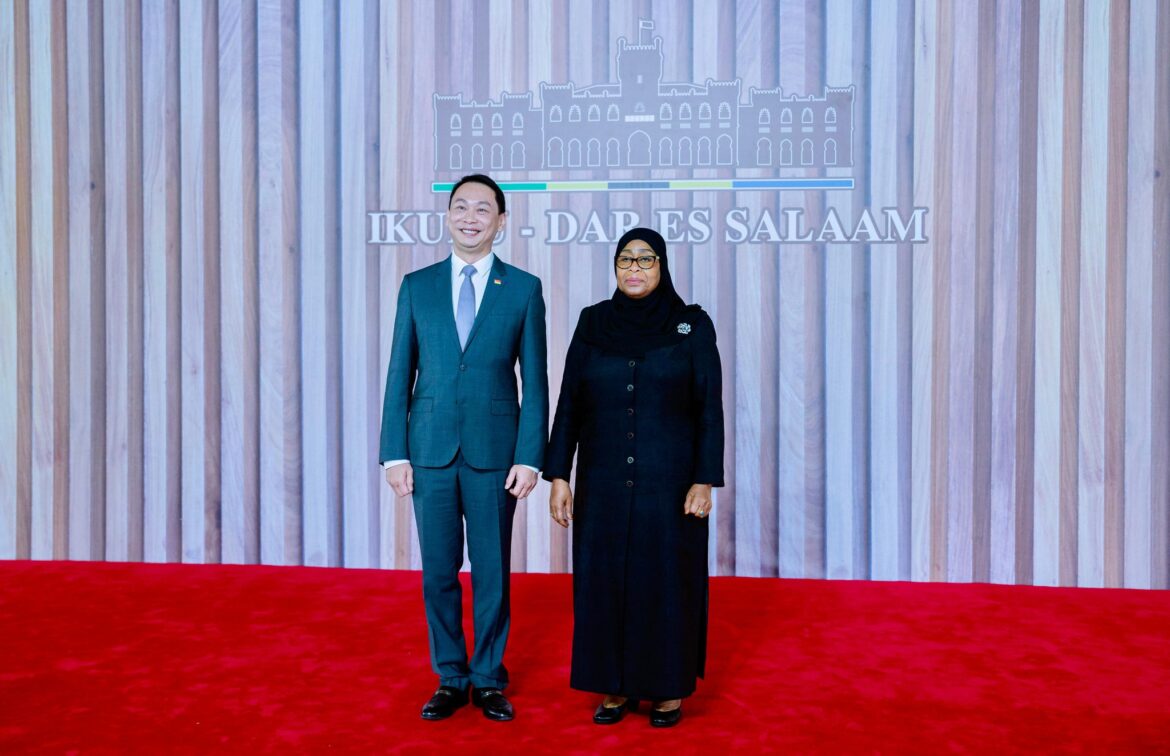
During his visit, President Kagame will be received by President Samia Suluhu Hassan at the State House in Dar es Salaam, where the two leaders are expected to hold bilateral talks to strengthen cooperation between Tanzania and Rwanda.
He is expected to return to Rwanda after the discussions. President Ruto will arrive the following day for his State Visit and will also be received by President Samia at the State House for official talks. The leaders will later address the media and witness the signing of various agreements and memoranda of understanding aimed at enhancing cooperation in key sectors.
As part of his itinerary, President Ruto will join President Samia at the Tanzania-Kenya Business and Investment Forum in Dar es Salaam, where business leaders and investors from both countries are expected to explore trade and investment opportunities. A State banquet in his honour will also be held later that evening.
On the final day of his visit, President Ruto is scheduled to travel to Dodoma, where he will address the Parliament before concluding his trip and returning to Kenya. Tanzania and Rwanda have maintained strong historical and strategic ties through the Joint Permanent Commission (JPC), with cooperation spanning trade, infrastructure and investment.
Trade between the two countries has continued to expand, supported by growing investments that have contributed to job creation and economic development. Tanzania and Kenya also remain key economic partners, with trade between the two nations accounting for nearly 40 per cent of all trade among EAC member states between 2020 and 2024.
The ministry said the visits demonstrate the commitment of Tanzania, Kenya and Rwanda to deepen cooperation in trade, investment, infrastructure, agriculture, health, education and energy for the benefit of their citizens and the wider East African region.
Njombe: THE Trade Union Congress of Tanzania (TUCTA) has expressed its commitment to mobilising workers across the country to actively engage in the implementation of the National Development Vision 2050.
The congress also called on workers and the public to uphold patriotism, peace, unity and solidarity as key pillars in achieving the country’s long-term development goals. Speaking during the celebration to mark the International Workers’ Day held yesterday in Njombe, TUCTA Secretary General Hery Mkunda said workers have a central role to play in driving the vision.
He said key priorities include increasing per capita income to 20m/-, eradicating extreme poverty and ensuring that at least 50 per cent of the national workforce is engaged in formal and decent employment.
“Patriotism, peace, solidarity, stability and inclusiveness are essential in achieving the Vision 2050 goals and it is my call to all workers and citizens to safeguard these values with strong commitment,” said Mr Mkunda.
He further said that the government has already initiated several measures to support the implementation of the vision, including improving education curricula to enhance skills, strengthening school infrastructure and refining policies, guidelines and programmes such as universal health coverage, the decent work country programme and tripartite dialogue frameworks.
Mr Mkunda also pointed to achievements realised through collaboration between the government and social partners, including the reduction of income tax on minimum wages from 9 per cent to 8 per cent, an increase in collective bargaining agreements and the introduction of incentive schemes for public sector employees.
He added that further progress includes reforms in social security funds, continued recruitment to reduce workforce shortages and improved efficiency in public service delivery, alongside the promotion of 631,000 public servants between 2021 and 2025.
On the international front, Mr Mkunda commended the government for upholding regional and global labour standards in line with the International Labour Organisation, noting that Tanzania has ratified about 90 per cent of core conventions and continues to play an active role in international labour governance.
TUCTA President, Tumaini Nyamhokya also commended the government for promoting public servants and expanding overseas employment opportunities, saying that more than 6,000 young people have secured jobs abroad.
However, he said that some challenges persist, particularly for employees who pursue further studies but are denied promotions and salary adjustments upon returning to work.
Mr Nyamhokya also said that although about 80 per cent of employers have implemented the new minimum wage, some have yet to comply, stressing that action should be taken to ensure full adherence. International Labour Organisation (ILO) Regional Director for East Africa, Carolyn Mugala, commended Tanzania for its leadership and commitment to advancing decent work as a foundation for inclusive growth and social justice through social dialogue.
She reaffirmed the ILO’s continued support in eliminating child labour, strengthening labour inspection systems and promoting decent work, particularly for domestic workers.
The Chairperson of the Association of Tanzania Employers (ATE), Omar Mgaya, underscored the importance of creating a conducive business and investment environment to support decent job creation and sustainable development.
He also commended the establishment of the Presidential Commission on Tax Reforms, noting that implementing its recommendations will help expand formal employment and stimulate economic growth.
Tanzania intensifies efforts to reform key laws to ensure they align with Vision 2050
Arusha: THE Tanzanian government has intensified efforts to review and reform key laws to ensure they are fully aligned with the National Development Vision 2050, a long-term blueprint aimed at transforming the country into a strong, inclusive and competitive economy.
Speaking in Arusha during a joint meeting between officials from the Office of the Attorney General and government legal officers, the Minister for Constitution and Legal Affairs, Dr Juma Homera, said the ongoing legal reforms are critical in ensuring that the country’s legal framework supports the implementation of Vision 2050 priorities.
Dr Homera said the government is committed to making sure that laws are not only updated but also made more responsive to current and future development needs.
He stressed that legal experts within government institutions must take a proactive role in identifying laws that may slow down economic growth and development, and ensure they are improved in line with national aspirations.
He emphasized, underlining the need for legal officers to stay ahead in shaping laws that support national transformation.
He further noted that achieving Vision 2050 targets will require a strong and modern legal system that promotes investment, strengthens governance, and creates a favourable environment for sustainable development that benefits all citizens.
Dr Homera also urged legal officers to continuously build their professional capacity and knowledge so that they can provide effective legal advice to the government, especially on laws that require review or enactment to support economic growth and social development.
He commended the leadership of the Office of the Attorney General, including the Attorney General and Deputy Attorney General, for improving working conditions and strengthening institutional efficiency within the office.
According to him, the ongoing improvements in the working environment are helping to enhance performance and ensure better delivery of legal services across government institutions.
Earlier, the Attorney General, Hamza Johari, said that the success of Vision 2050 will largely depend on how quickly and effectively legal officers align national laws with development goals.
He said Tanzania must ensure its legal framework is modern, flexible and supportive of long-term development priorities.
He added that legal reforms should be done in advance so that when global and regional changes occur, Tanzania is already prepared with laws that facilitate progress rather than delay it.
“We must ensure that as others advance, our laws are already well aligned with Vision 2050, making them friendly and enabling,” he said.
Siku chache baada ya mfanyabiashara maarufu barani Afrika, Aliko Dangote kuweka wazi dhamira ya kusaidia nchi za Afrika Mashariki kujenga kiwanda cha kusafisha mafuta mkoani Tanga, wadau wa biashara na uchumi wamesema hatua hiyo itakuwa kichocheo kikubwa cha mageuzi ya kiuchumi katika ukanda huu.
Mpango huo uliwekwa hadharani na Rais wa Kenya, William Ruto, aliyesema kuwa nchi za Afrika Mashariki ziko kwenye majadiliano ya pamoja ya kuanzisha kiwanda hicho katika Bandari ya Tanga, kikitarajiwa kujengwa kwa mfano wa kiwanda kikubwa cha Dangote kilichopo Nigeria.
Akizungumza katika mkutano wa ufadhili wa miundombinu uliofanyika jijini Nairobi wiki iliyopita, Ruto alisema kiwanda hicho kitakuwa cha kimkakati kwa ukanda mzima, kikitarajiwa kuchakata mafuta ghafi kutoka nchi mbalimbali ikiwamo Jamhuri ya Kidemokrasia ya Kongo, Kenya, Sudan Kusini na Uganda.
“Nchi zetu zitanufaika kwa pamoja, kwa sababu kiwanda hicho kitahudumia soko la kikanda na kupunguza utegemezi wa bidhaa za petroli kutoka nje,” alisema Ruto.
Kwa sasa, nchi nyingi za Afrika Mashariki zinaagiza karibu bidhaa zote za mafuta kutoka Mashariki ya Kati, hali inayozifanya kuwa katika hatari ya kukumbwa na misukosuko ya usambazaji na kupanda kwa bei pindi kunapotokea migogoro ya kisiasa katika eneo hilo, kama ilivyojitokeza hivi karibuni kufuatia mvutano unaoendelea Mashariki ya Kati, ikiwamo Iran.
Katika mkutano huo, Dangote alisema yuko tayari kushirikiana na serikali za Afrika Mashariki kwa kutumia uzoefu na teknolojia ya kiwanda chake nchini Nigeria, ambacho kina uwezo wa kuchakata mapipa 650,000 ya mafuta kwa siku, iwapo kutakuwa na dhamira ya dhati ya kisera na uwekezaji kutoka kwa nchi husika.
Hatua hiyo inakuja wakati wananchi wa Tanzania, Kenya, Uganda, Rwanda na Burundi wakiendelea kukabiliwa na ongezeko la bei za mafuta kutokana na changamoto za kimataifa, jambo lililoathiri kwa kiasi kikubwa sekta mbalimbali za uchumi ikiwamo usafirishaji, viwanda, kilimo na huduma.
Kwa mujibu wa wachambuzi, mzigo wa gharama hizo umeendelea kuhamishiwa kwa watumiaji wa mwisho kupitia kupanda kwa bei za bidhaa na huduma, hali inayochochea mfumuko wa bei na kupunguza uwezo wa wananchi kumudu maisha.
Mchambuzi wa Uchumi na Biashara, Profesa Aurelia Kamuzora, anasema mpango wa kujenga kiwanda cha kusafisha mafuta Tanga ni hatua muhimu kwa maendeleo ya Tanzania na Afrika Mashariki, lakini utekelezaji wake unapaswa kufanyika kwa umakini mkubwa ili kuhakikisha unaleta manufaa yaliyokusudiwa.
Profesa Kamuzora anasema uzoefu wa mradi wa bomba la mafuta la Afrika Mashariki (EACOP) umeonyesha kuwa miradi mikubwa ya kimkakati inapopangwa vizuri inaweza kufanikiwa lakini ikiandaliwa vibaya inaweza kukwama au kushindwa kutekelezeka.
Ameeleza kuwa uwekezaji wa aina hiyo ni neema kwa taifa kwa sababu huleta mtaji, teknolojia mpya na mikataba kwa kampuni nyingi za ndani, huku vijana wenye ujuzi wakipata nafasi za ajira.
Anasema kujengwa kwa kiwanda cha kusafisha mafuta kutarahisisha upatikanaji wa mafuta nchini, kupunguza utegemezi wa bidhaa kutoka nje na kuboresha mazingira ya uwekezaji.
“Migogoro ya kisiasa mara nyingi huathiri biashara, hivyo kuwa na uwezo wa ndani wa kusafisha mafuta ni hatua muhimu ya kujenga uchumi imara,” anasema.
Mchumi huyo anasema Afrika inapaswa kujitegemea kwa kuongeza uzalishaji wa bidhaa zake badala ya kutegemea bidhaa kutoka nje na kufanya hivyo litasimama imara zaidi kiuchumi kwani viwanda vya kutosha na bidhaa zinazozalishwa ndani.
Hata hivyo anaongeza kuwa ili kupata matokeo thabiti ni muhimu kuandaa soko la bidhaa hizo pamoja na walaji wake ili uwekezaji huo uwe na tija.
Naye Mchambuzi wa Uchumi na Biashara, Oscar Mkude, anasema mpango wa kujenga kiwanda cha kusafisha mafuta Tanga ni mradi mzuri ambao ukifanikiwa utaleta mageuzi makubwa katika uchumi wa Tanzania na nchi za Afrika Mashariki.
Mkude anasema sekta ya viwanda ndiyo msingi wa ukuaji wa uchumi kwa sababu huongeza uzalishaji, hutengeneza ajira na kuingiza fedha za kigeni kupitia mauzo ya bidhaa nje ya nchi lakini haiwezi kufanikiwa kama hakuna nishati ya kutosha.
Anasema kwa muda mrefu Tanzania imekuwa ikiuza malighafi kwenda nje badala ya kuziongezea thamani hapa nchini, hali inayosababisha manufaa mengi kubaki mataifa mengine.
Anasema ndiyo sababu serikali imekuwa ikisisitiza sera ya local content katika miradi mikubwa ya kimkakati kama gesi asilia, madini ya kimkakati na mafuta, ili kuhakikisha wananchi na kampuni za ndani wanashiriki na kunufaika zaidi.
Kwa mujibu wake, nchi za Afrika Mashariki zinapaswa kuondoa urasimu uliokithiri unaochelewesha utekelezaji wa miradi ya uwekezaji.
Anasema wakati mwingine mazungumzo, vibali na taratibu nyingine huchukua muda mrefu kiasi cha kuwakatisha tamaa wawekezaji.
“Lazima kutakuwa na majadiliano kabla ya uwekezaji, lakini yakichukua muda mrefu sana mwekezaji anakata tamaa. Tukiepuka vikwazo hivyo tunaweza kufanikisha uwekezaji huu kwa haraka zaidi,” anasema.
Mkude anasema iwapo mradi huo utatekelezwa kwa wakati, utafungua fursa kwa sekta nyingine za mafuta na gesi kustawi, hasa kwa kuwa nchi nyingi za Afrika zinazozalisha mafuta kwa kiwango kidogo hulazimika kuyapeleka nje kusafishwa kwa gharama kubwa.
Ameeleza kuwa sekta ya uzalishaji ndiyo chanzo kikubwa cha ajira kwa wananchi wengi. Alisema kiwanda kimoja kinaweza kuajiri mamia ya watu moja kwa moja, na viwanda vingi zaidi vikijengwa idadi hiyo itaongezeka kwa kiasi kikubwa.
Aidha, anasema bidhaa zinazouzwa nje huingiza fedha za kigeni, wakati kuendelea kununua bidhaa zilizokwishazalishwa nje kunachangia kuzalisha ajira kwa mataifa mengine.
Mkude anasema mradi huo ni taarifa njema kwa Tanzania kwa sababu manufaa yake yatabaki nchini huku nchi jirani nazo zikinufaika kupitia biashara na huduma. Pia amesema uwepo wa kiwanda cha kusafisha mafuta ni moja ya njia za kuhakikisha upatikanaji wa nishati ya uhakika kwa ajili ya kuendesha viwanda na mitambo mingine ya uzalishaji.
Hata hivyo, ameonya kuwa pamoja na kutungwa kwa sheria za kuvutia wawekezaji, wakati mwingine vitendo vinavyofanyika vinaweza kuwafukuza wawekezaji, hivyo ni muhimu sera na utekelezaji viende sambamba.
Standard Chartered Bank has successfully arranged a $2.33 billion syndicated financing facility for the Standard Gauge Railway project in Tanzania, the bank said on Tuesday.
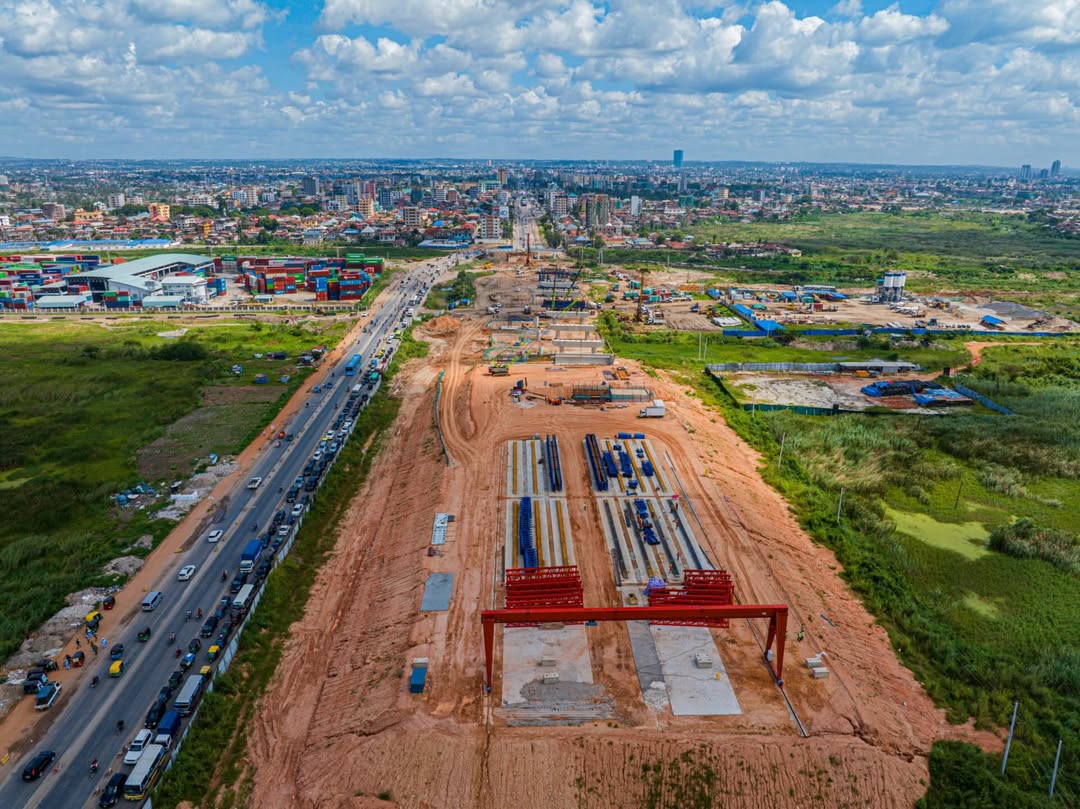
The money will finance two stretches of a planned 1,219 km railway line that links the commercial capital and port of Dar es Salaam and the lakeside city of Mwanza.
Turkey’s Yapi Merkezi and China’s China Civil Engineering Construction Corporation will undertake the works, the bank’s statement said. Funding was secured from export credit agencies, commercial banks and development finance institutions, it added.
“The construction and modernisation of the Standard Gauge Railway will connect the port of Dar es Salaam to key growth corridors in western Tanzania and neighbouring states, providing a reliable mode of transportation for people and cargo,” the bank said.
“The SGR will spur the economic development of the interior areas of Tanzania.”
Tanzania is aiming to construct a modern railway network of at least 2,561 km, connecting the East African country with landlocked neighbours Rwanda, Burundi, Uganda and the Democratic Republic of Congo
Dodoma: Sekta ya Madini nchini imeendelea kudhihirisha ubora wake katika kuchangia uchumi wa Taifa baada ya kuongoza kwa kuvutia mtaji wa uwekezaji kutoka nje ya nchi (FDI), ambayo inachangia takribani robo tatu ya mtaji wote uliowekezwa katika sekta muhimu nchini.
Kwa mujibu wa Ripoti ya Uwekezaji Tanzania ya Mwaka 2025, thamani ya mtaji wa uwekezaji katika Sekta ya Madini imeongezeka hadi kufikia dola za Marekani bilioni 9.79 kwa mwaka 2024, kutoka dola bilioni 9.15 za mwaka 2023 na dola bilioni 8.64 za mwaka 2022.
Akiwasilisha Bungeni Hotuba ya Bajeti ya Wizara ya Madini kwa Mwaka wa Fedha 2026/27 Waziri wa Madini Mhe. Anthony Mavunde amesema kuwa, mazingira wezeshi yaliyowekwa na Serikali kwa wawekezaji yameendelea kuvutia wawekezaji wapya na kuwahamasisha waliopo kupanua miradi yao pamoja na kuwekeza zaidi kupitia faida wanazozipata
Waziri Mavunde amesema kuwa, katika kipindi cha mwezi Julai 2025 hadi Machi 2026 , bei ya dhahabu katika Soko la Dunia imepanda kwa kasi na kufikia wastani wa dola za Marekani 4,190.47 kwa wakia, ikilinganishwa na dola 2, 655.80 katika kipindi kama hicho mwaka uliotangulia.
Akielezea mwenendo wa biashara ya Madini ya Almasi Duniani imeendelea kushuka na kufikia wastani wa dola za Marekani 159.84 kwa karati, kutoka dola 168.95 kwa karati katika kipindi kama hicho mwaka 2024/25 , sawa na upungufu wa asilimia 5.39.
Aidha, Waziri Mavunde amebainisha kuwa, kushuka huko kunachangiwa na kuongezeka kwa uzalishaji wa almasi za viwandani( Synthetic diamonds) ambazo zimepunguza
uhitaji wa almasi asilia katika masoko makubwa duniani ikiwemo China na Marekani.
Tanzania reaffirms push to harness critical minerals for green industrialisation
Tanzania has reaffirmed its commitment to leveraging critical minerals to drive green industrialisation, with a focus on value addition, local participation, and sustainable mining practices. The government says minerals such as lithium, cobalt and nickel will play a central role in the country’s economic transformation.
Speaking at a regional forum in Addis Ababa, Deputy Permanent Secretary in the Ministry of Minerals, Msafiri Mbibo, said Tanzania is positioning itself to maximise benefits from minerals essential for clean energy technologies. He noted that mining remains a key pillar for job creation, skills development, and community growth.
Mr Mbibo emphasised that the government is strengthening local content policies and promoting beneficiation to ensure more value is retained within the country. He said the goal is to build a complete mineral value chain, from extraction to processing and manufacturing.
He acknowledged ongoing challenges, including illegal mining, environmental risks and limited community engagement. He called for stronger collaboration between governments, private sector players and development partners to ensure responsible and sustainable mining practices.
Tanzania is also expanding regional and international partnerships while adopting new technologies to improve efficiency and reduce environmental impact. Authorities say these efforts are key to aligning mining with global sustainability goals.
Meanwhile, former Ethiopian Prime Minister Hailemariam Dessalegn urged African nations to prioritise domestic processing and manufacturing. He warned that without industrialisation, the continent risks missing out on the full benefits of the global energy transition despite its vast mineral wealth.
Tanzania reserves key mining services for local firms to boost economic gains
Dodoma: The government has announced a major policy shift, reserving 20 categories of goods and services in the mining sector exclusively for Tanzanian-owned companies, aiming to deepen local participation and retain more economic benefits within the country.
Presenting the 2026/27 budget, Minerals Minister Anthony Mavunde said the move is designed to expand value addition, create jobs, and strengthen domestic supply chains linked to mineral resources. He stressed that only fully Tanzanian-owned firms will be allowed to operate in the reserved categories.
The restricted services include transport, logistics, catering, cleaning, construction, equipment supply, and legal services—areas seen as accessible to local entrepreneurs without requiring heavy capital investment. The policy is expected to boost business opportunities and increase the circulation of mining wealth within the local economy.
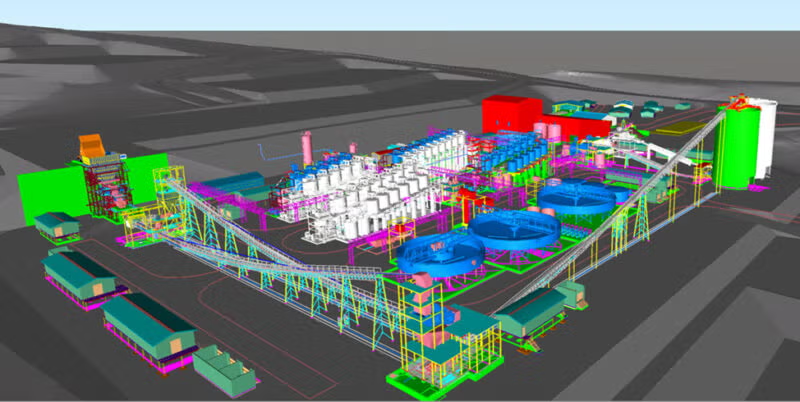
The announcement comes alongside growing momentum in strategic mineral projects, notably the Mbeya niobium project, which is projected to generate about Sh2 trillion in government revenue and create thousands of jobs. The project alone is expected to unlock $1.77 billion in local procurement opportunities.
Tanzania’s mining sector continues to expand rapidly, with mineral exports rising by 31.1 percent to $5.401 billion in 2025. The sector now accounts for over half of total exports and contributes nearly 12 percent to GDP, underscoring its central role in economic growth.
Despite the progress, Parliament has raised concerns over declining development funding in the sector, urging the government to strengthen domestic financing. Authorities maintain that reforms, increased local participation, and improved oversight will sustain long-term growth and maximise national benefits.